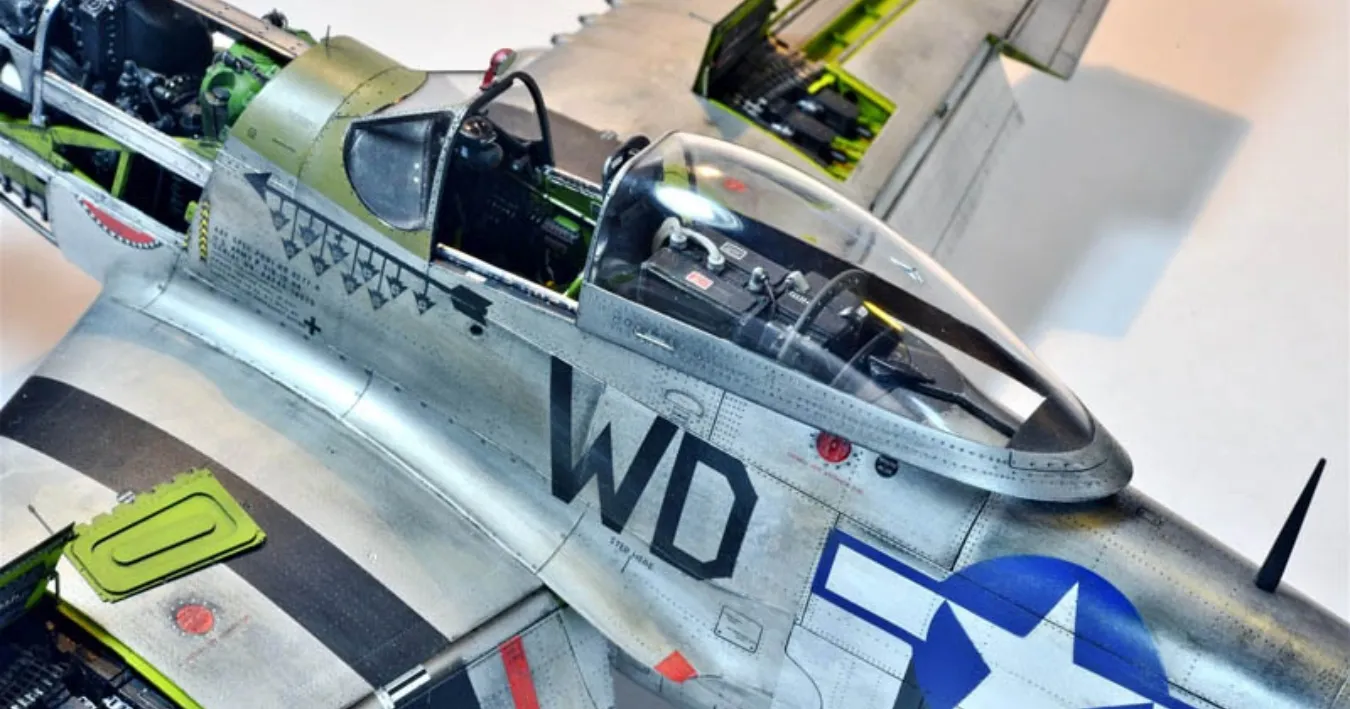

Welcome to the chaotic world of Figure Model Kit Die-cast Comparison — where beginners mix them up, veterans argue over joints, and everyone’s wallet cries the same. This ultimate guide humorously breaks down the 3 core differences and 5 key traits between these collectibles, revealing what truly sets Figures, Model Kits, and Die-casts apart before your next glorious (and possibly regrettable) purchase.
I. Core Difference 1: Manufacturing Method (Finished vs. Asembly)
Figure Model Kit Die-cast Comparison — ever spent hours arguing which one’s “better,” only to realize you just built the wrong thing? Don’t worry, we’ve all been there. This guide breaks down the 3 core differences and 5 key traits between Figures, Model Kits, and Die-casts — with just enough sarcasm to save you from your next expensive mistake.
1. Figure & Die-cast: The Finished Artifact – The Curated Masterpiece
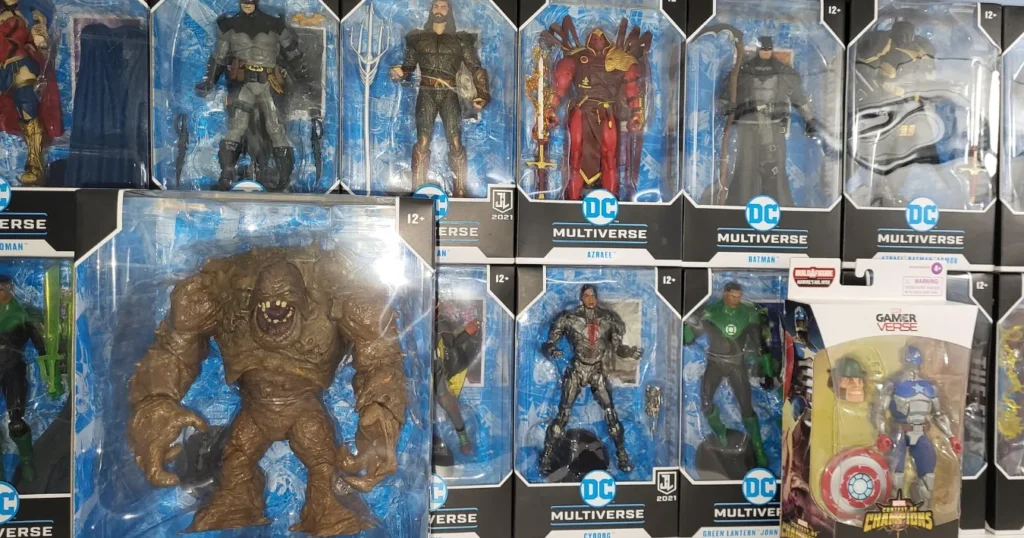
When you purchase a Figure (be it a Static Figure or an Action Figure) or a Die-cast Model, you are paying for a complete, factory-assembled, and often professionally painted product. This is the Curated Masterpiece stage, demanding minimal effort from you upon unboxing.
Static Figures (PVC Statues) and Quality Control
These are instantly ready for display. The manufacturing involves detailed injection molding of PVC, which allows for microscopic detail. The complexity lies in the painting and shading, which is often the most time-consuming and labor-intensive part of the production line. You are paying for the quality control to ensure no paint bleed, shading errors, or mold lines are visible. The collector’s satisfaction comes from the immediate visual impact and perfect fidelity to the source material—a perfect snapshot of a character.
Die-cast Models: Precision Engineering
These models rely on pressure casting metal alloys, specifically Zinc Alloy (Zamac), into highly precise molds. The core components are assembled via mechanical fasteners (screws, pins) rather than glue or friction fits. The weight, the smooth operation of moving parts (like opening car doors or transforming sections), and the high-grade metallic paint finish are the hallmarks of Die-cast production. You are essentially buying a miniature piece of heavy machinery. The Figure Model Kit Die-cast Comparison highlights this engineering gap clearly.
The Collector’s Role: Minimal. Your role is primarily that of a curator, responsible for proper display, lighting, and protection from environmental factors. The manufacturer handles 99% of the work.
2. Model Kit: The Assembly Challenge – The Collector’s Craftsmanship
A Model Kit is fundamentally different. You are not buying a finished product; you are buying the potential of one, packaged as plastic parts spread across multiple runners (plastic frames). This is where the magic (and the elbow grease) begins.
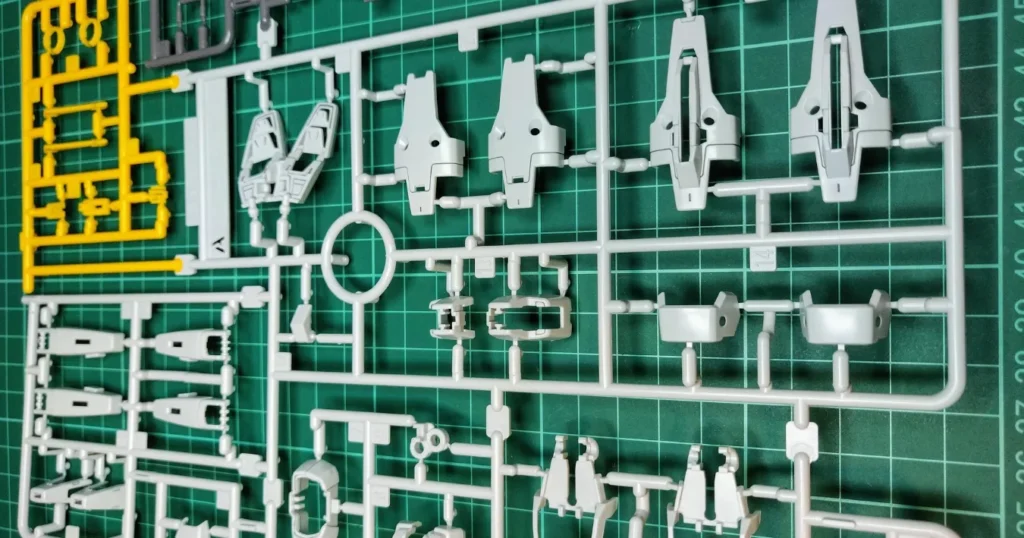
The Core Value: Sweat Equity
The price tag is lower than a comparable finished figure because the manufacturer saves on the cost of assembly and intricate painting. This cost is transferred to the collector as time and skill investment—or what we at GalacticTrove call “Sweat Equity.”
- Assembly and Customization: The entire process—cutting, cleaning, assembling, and often painting and weathering—falls to the collector. The final quality is a direct reflection of the builder’s skill in handling tools (nippers, knives, sandpapers) and applying techniques like panel lining and decal application. The enjoyment comes not just from the finished result but the hours spent in the workshop.
- The Snap-Fit Revolution: Modern kits, especially Gunpla (Gundam Model Kits) from Bandai, popularized Snap-fit technology, dramatically lowering the entry barrier. However, true Model Kit mastery involves filling seam lines, sanding, priming, and detailed airbrushing, taking the product far beyond its initial appearance straight out of the box. This aspect is crucial when considering the Figure Model Kit Die-cast Comparison.
The Collector’s Role: Builder, Engineer, Painter, and Curator. This requires significantly higher time and skill investment, rewarding the collector with immense personal satisfaction and a truly unique piece.
II. Core Difference 2: Material and Sensory Heft (Plastic vs. Metal)
The tactile experience—how heavy the collectible feels and the texture of its surface—is crucial. The choice of material defines the durability, display feel, and vulnerability of the piece. This deep dive into materials is a vital aspect of the Figure Model Kit Die-cast Comparison.
1. Figure & Model Kit: The Might of Plastic (PVC/ABS/PS)
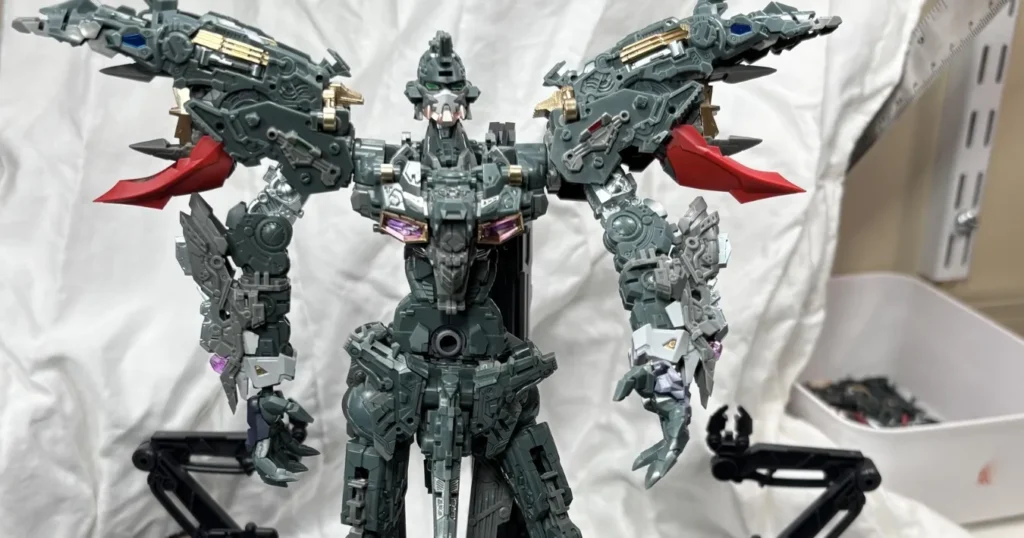
Figures and Model Kits primarily rely on a sophisticated cocktail of plastics, each serving a specific structural or aesthetic purpose:
- PVC (Polyvinyl Chloride): The standard for Static Figures. It is pliable, allowing for incredible detail and vibrant paint. Vulnerability: PVC can become soft over time, especially under heat, leading to the infamous “leaning tower syndrome” where figures slowly bend at the ankles or knees. Static figures in warmer environments must be supported or stored in climate-controlled areas.
- ABS (Acrylonitrile Butadiene Styrene): A harder, more durable plastic, crucial for structural integrity. It’s primarily used for the inner frame, complex joints, and parts that require high impact resistance in Action Figures and Model Kits. ABS prevents breakage during posing or assembly. Its rigid nature supports the figure’s weight.
- PS (Polystyrene): The primary material for the armor and larger components of Model Kits. PS is hard, relatively brittle, but very easy to cut, sand, and glue, which is ideal for the collector’s modification (DIY).
- Sensory Feel: Light and portable. This lightness is a benefit for articulation (less stress on joints) and safer packaging, but when doing a Figure Model Kit Die-cast Comparison, the plastic category often feels less “premium.”
2. Die-cast: The Gravity of Metal (Zinc Alloy and Beyond)
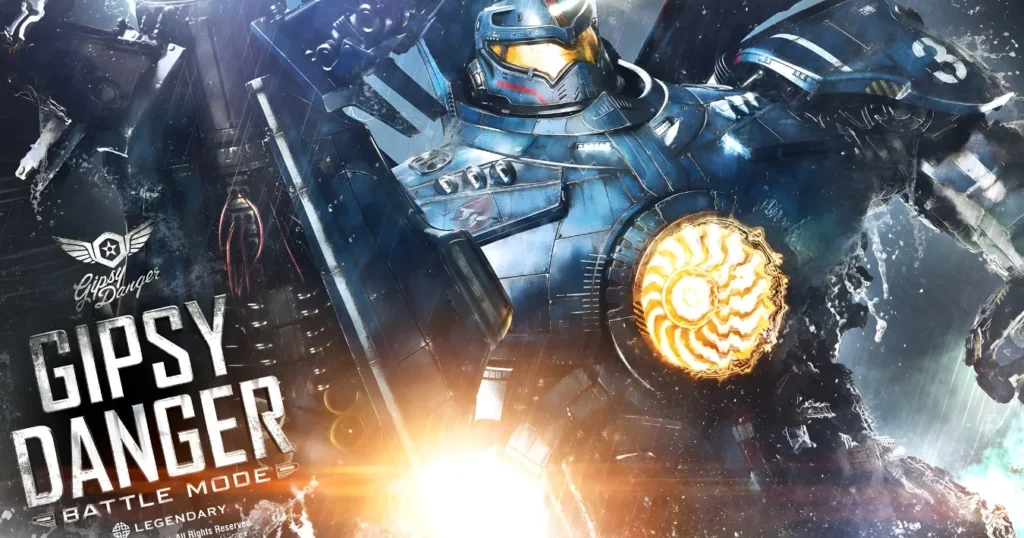
Die-cast Models utilize heavy metal alloys, primarily Zinc Alloy (Zamac). However, modern premium lines now incorporate specialized metals.
- Heft and Density: The most immediate difference is the weight. Die-cast models feel substantial, dense, and physically imposing. This weight conveys a sense of high quality, precision, and permanence. The feeling of cold metal in your hand is unmatched by plastic.
- Structural Composition: High-end Die-cast robots (like Bandai’s Soul of Chogokin or Metal Build lines) use a mixed material approach: Die-cast metal for the structural skeleton (frame, feet, joints) and plastic (ABS) for the external, detailed armor panels. This strategic combination maximizes weight and durability while maintaining necessary articulation and detail fidelity.
VULNERABILITY WARNING: The Zamac Rot Threat
While plastic figures might suffer from leaning, Die-cast models face the rare but serious threat of Zamac Rot. This corrosive degradation occurs when impurities in the zinc alloy (like lead or cadmium) react, causing the metal to swell, crack, and eventually disintegrate. It’s primarily a risk in vintage Die-cast pieces made before strict quality standards were implemented. If you invest in vintage Die-cast, be sure to check for bubbling or cracking paint. [Internal Link: How to Spot and Prevent Zamac Rot in Your Die-cast Collection and Protect Your Metal Treasures]
III. Core Difference 3: Purpose, Poseability, and Value Investment
The ultimate purpose a collectible is designed to serve—whether it’s dynamic play, static beauty, or the pride of creation—directly affects its price structure and long-term investment value. Understanding this helps finalize your Figure Model Kit Die-cast Comparison.
1. Static Figures: The Art of Perfection (The Museum Piece)
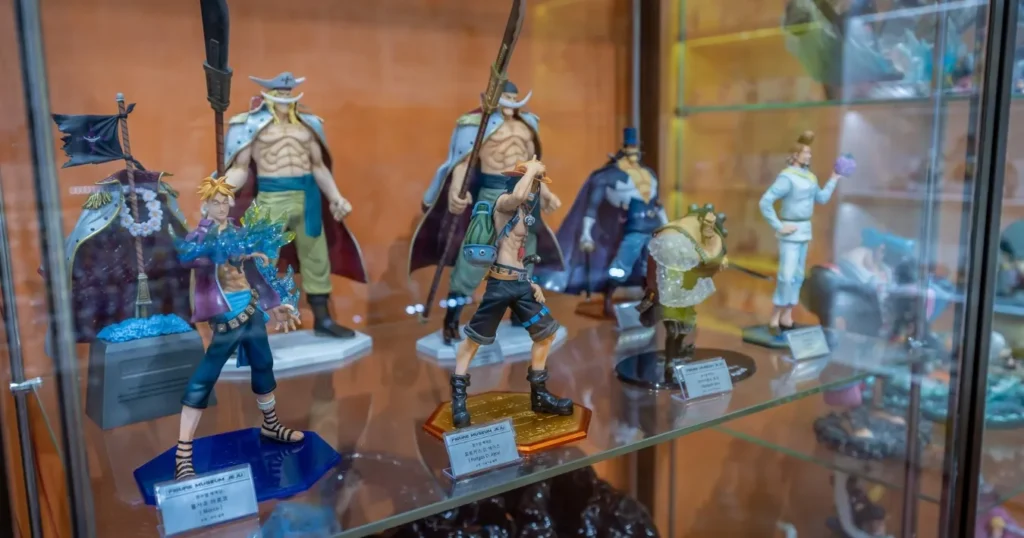
- Purpose: To capture a single, perfect, and visually stunning moment from a series. They are Museum Pieces designed for display only.
- Poseability: None. (0/10). The fixed pose allows for extreme realism and dramatic flow in clothing or hair that articulated figures cannot achieve. Their value lies in the fidelity of the sculpted details.
- Value Investment: High initial price. They often appreciate steadily if the character/series is popular and the figure is a limited run. However, damage (broken accessories, paint chips, leaning) instantly crushes the resale value.
2. Action Figures: Dynamic Interaction (The Playable Tool)
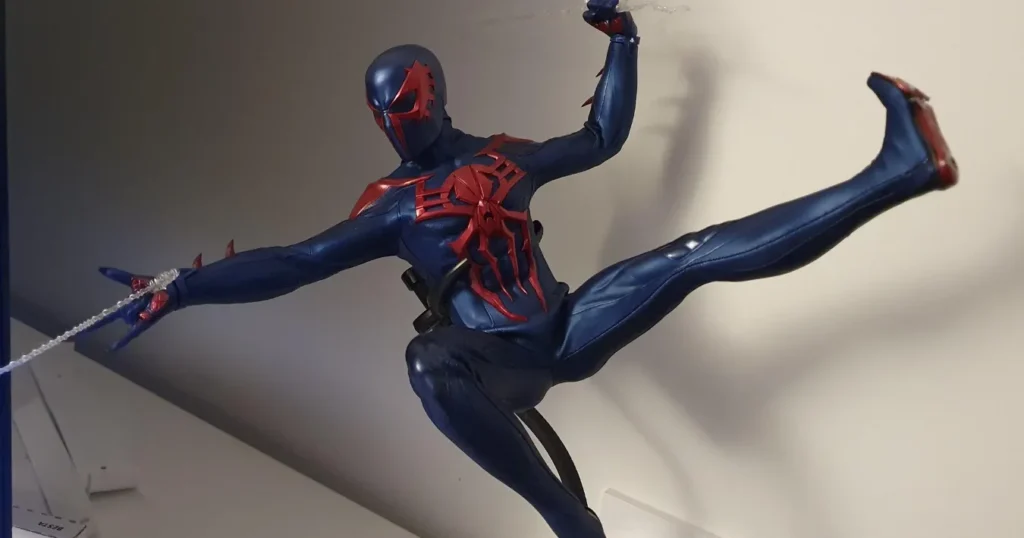
- Purpose: Designed for dynamic posing, interaction, and creative photography. The engineering of the internal joints and the seamless look of the external armor panels are the main selling points.
- Poseability: High (10/10). Features extensive articulation (ball joints, hinge joints) and replaceable parts (hands, faces, effect parts). Companies like Figma, S.H.Figuarts, and Mezco One:12 are leaders in this field.
- Value Investment: Moderate initial price. Resale is dictated by how complete the figure is (missing accessories is a fatal flaw) and how pristine the joints are. Loose joints significantly devalue a piece, making the condition of the internal frame critical.
3. Model Kits: Skill & Time Investment (The Personal Creation)
- Purpose: To be assembled by the owner. The goal is the creative process itself, leading to immense personal satisfaction upon completion. They are a hobby, not just a purchase.
- Poseability: Moderate to High (7/10 to 9/10). Good articulation is usually designed into the frame, but movement is constrained by the plastic construction and the builder’s fear of scratching their own paintwork.
- Value Investment: Low initial price. The true investment is time and skill. While an sealed box holds moderate value, the resale value of a completed, professional build is highly variable and depends on the builder’s reputation and the quality of the paint/decal work.
4. Die-cast: Permanent Value & Durability (The Legacy Item)
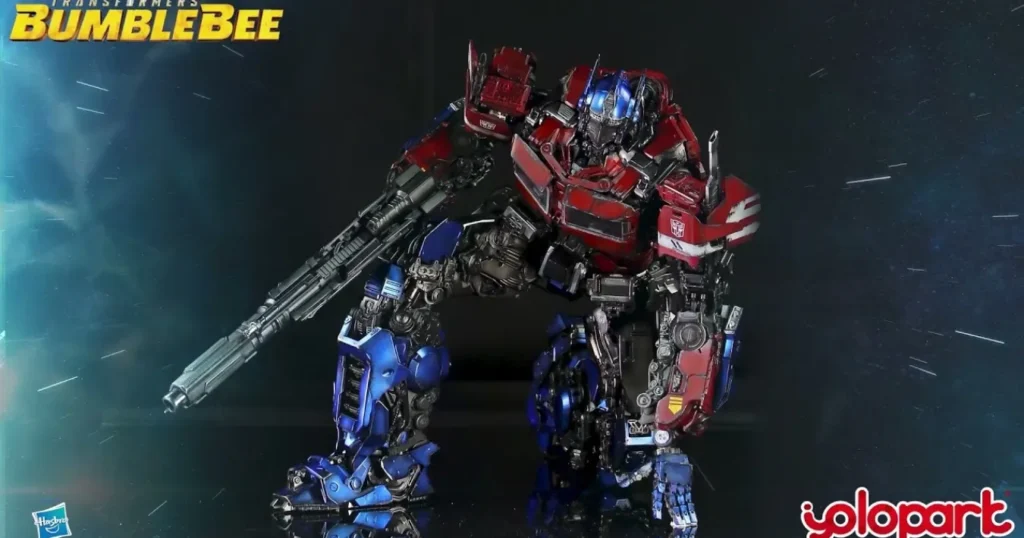
- Purpose: To serve as a heavy, permanent, and high-fidelity representation of a vehicle or robot. Often associated with luxury and heirloom quality.
- Poseability: Low to Moderate (4/10). While vehicle models are fixed-pose, robot lines often feature intricate articulation backed by solid metal joints. Fear of paint chipping limits how often collectors pose these heavy pieces.
- Value Investment: High initial price. They generally hold their value best due to the inherent premium material and durability, provided the metal does not suffer from Zamac Rot. They are often viewed as the most stable long-term investment among the three types when performing a Figure Model Kit Die-cast Comparison of asset retention.
IV. Beyond the Basics: Advanced Collection Strategy
Successfully navigating the collectible cosmos requires more than just knowing the physical differences; it demands a strategic approach to purchasing and preservation. This section details the advanced factors unique to each type.
1. The Environmental Challenge: Preservation Techniques
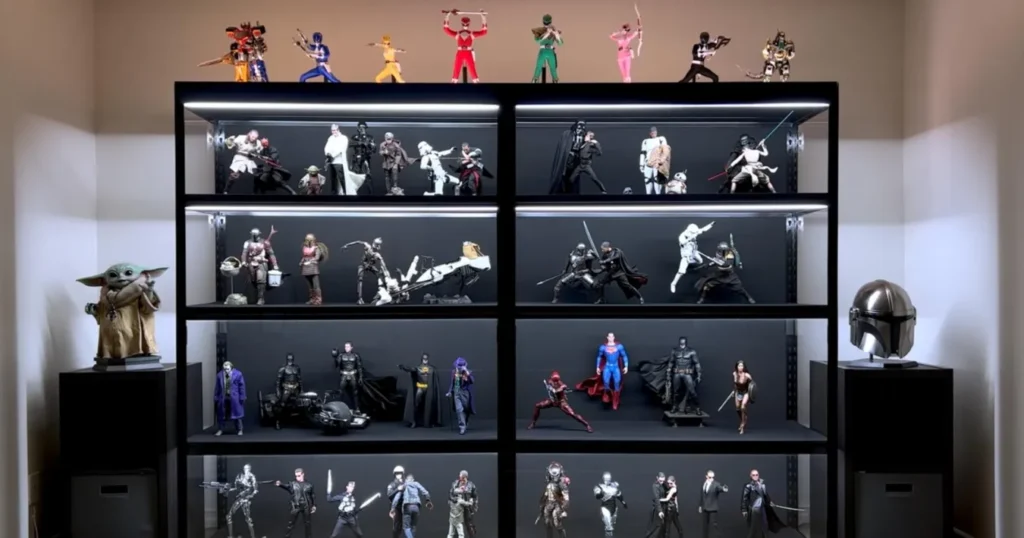
Each species requires specific environmental care, another key factor in your Figure Model Kit Die-cast Comparison:
- Static Figures (PVC): The Plasticizer Migration challenge is unique here. Over time, plasticizers added to PVC to make it pliable can leach out, leaving a sticky residue and hardening the figure. To combat this, figures should be displayed away from direct sunlight (UV light causes fading) and high temperatures (which accelerate softening). Use soft brushes and compressed air for dusting. [External Link: Learn the official care guides for PVC figures from a major manufacturer]
- Model Kits: The biggest long-term issue is Joint Fatigue. Joints on Model Kits are made of friction-fit plastic. Excessive posing or heavy accessories can cause the plastic to wear down, leading to loose limbs. Builders often use clear nail polish or specialized joint-tightening compounds to maintain stiffness. Stored kits must be kept in a climate-controlled area to prevent the plastic from becoming brittle.
- Die-cast Models: Requires stable, low-humidity storage. Excessive moisture is the primary catalyst for Zamac Rot and surface corrosion. The Figure Model Kit Die-cast Comparison of fragility shows Die-cast is structurally tougher but cosmetically sensitive; scratches or chips to the metallic paint are difficult to fix without professional services. Their sheer weight also demands sturdy shelving (don’t put a 15lb Die-cast robot on a flimsy plastic shelf!).
2. The Brand Ecosystem: Who Commands the Galaxy?
The brand landscape is sharply divided along these three categories, confirming specialization within the industry:
| Species | Dominant Brands (The Commanders) | Signature Lines/Products |
| Figure (Static) | Good Smile Company, Alter, Kotobukiya, MegaHouse | Scale Figures, Pop Up Parade, Figma (Non-articulated lines) |
| Action Figure | Bandai (S.H.Figuarts), Max Factory (Figma), Mezco One:12 | The emphasis is on seamless articulation and detailed paint applications. |
| Model Kit | Bandai (Gunpla), Kotobukiya (Frame Arms), Tamiya | Gunpla (HG, RG, MG, PG), Military/Aircraft Kits (Tamiya, Revell) |
| Die-cast | Bandai (Soul of Chogokin, Metal Build), Hot Wheels, AutoArt | High-end robots, classic cars, high-detail replicas, known for their “heft.” |
This division reinforces that companies optimize their materials and manufacturing for a specific collectible experience. The Figure Model Kit Die-cast Comparison isn’t just about the final product, but the industry that produces it.
3. The Customization Potential
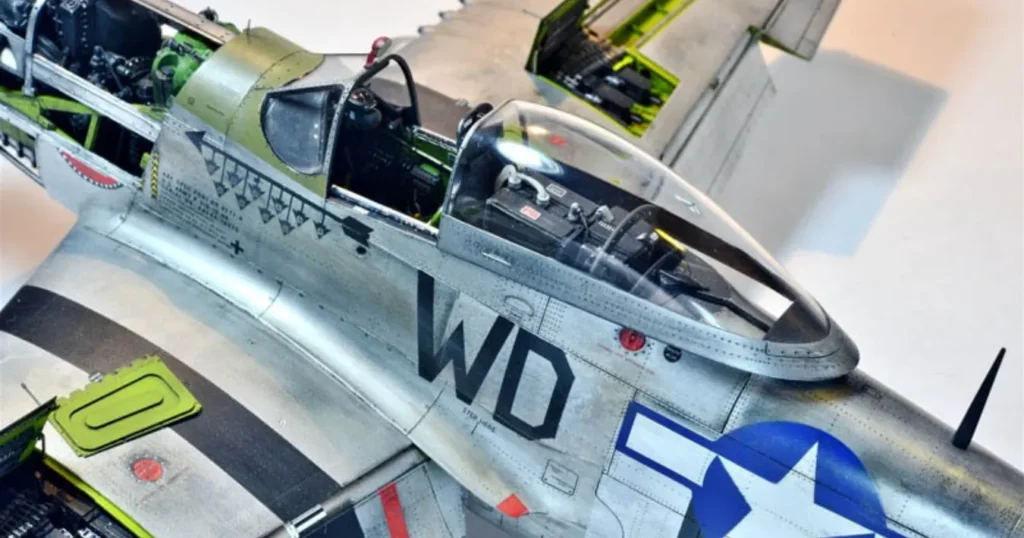
The ability to personalize your collection is a major dividing line:
- Model Kit: Unlimited Customization. The entire Model Kit ecosystem is built around the idea of DIY. Custom painting, weathering, panel scribing, LED installation, and kit-bashing are standard practices. It’s an open canvas for creativity.
- Action Figures: Limited Customization. Mostly involves swapping accessories (hands, heads, weapons). Advanced collectors might repaint or modify parts, but permanent modification often requires cutting delicate joints and ruins resale value.
- Static Figures & Die-cast: Zero Customization. These are finished art pieces. Any attempt to modify them is typically seen as vandalism and results in a severe loss of value.
V. Final Briefing: Which Species Is Right For You?
The Collectible Galaxy is vast, but your mission is clear: choose the species that aligns with your personality and time commitment. Use this comprehensive Figure Model Kit Die-cast Comparison to chart your course:
| Species | Collector Personality | Time Investment | Key Trait | Primary Category |
| Figure (Static) | The Art Curator | Minimal | Aesthetic Perfection | Figure/Statue |
| Figure (Action) | The Dynamic Photographer | Low | Maximum Poseability | Figure |
| Model Kit | The Builder/Engineer | High | Personal Achievement | Model Kit |
| Die-cast | The Investor/Luxury Collector | Minimal | Heavy, Premium Feel | Die-cast |
Whether you prefer the instant gratification of a Static Figure, the dynamic potential of an Action Figure, the rewarding challenge of a Model Kit, or the weighty permanence of Die-cast, your Galactic journey has just begun.

- Best Detolf Alternatives 2026: 8 Cases That Elevate Your Jaegers - November 30, 2025
- Best Transformers Action Figures 2026: Only 7 Didn’t Make Me Want to Sell a Kidney - November 26, 2025
- The Benefits and Risks of Collecting Limited Edition Models in 2026 - November 23, 2025