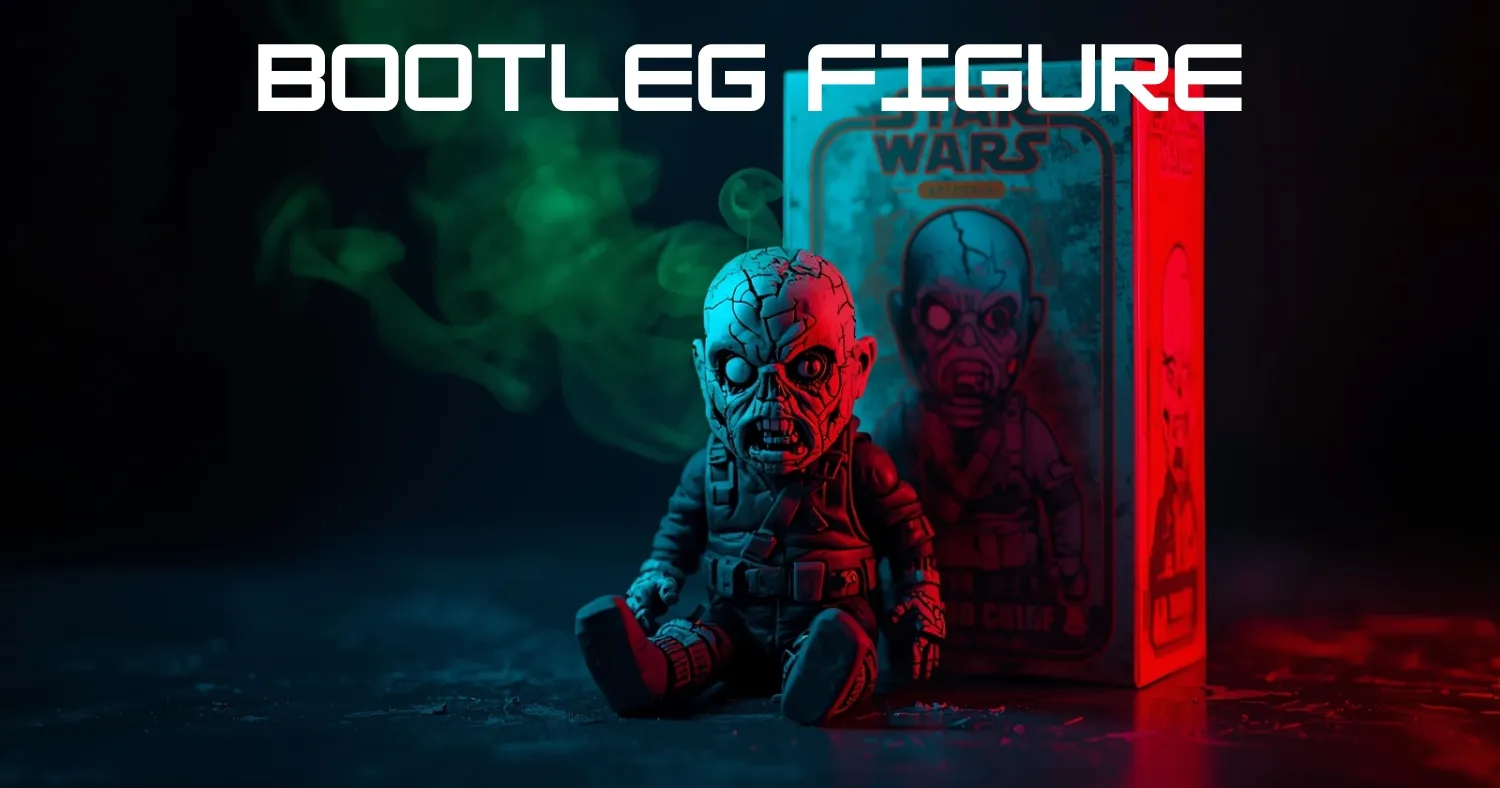

Bootleg Figure are the knockoffs nobody asked for — cheap, shiny, and allergic to quality control. They copy your favorite characters with all the grace of a 3D printer meltdown and still have the nerve to charge shipping.
For collectors, spotting a fake isn’t just a skill — it’s survival. This no-nonsense, slightly savage guide will teach you how to detect that plastic imposter smell from a mile away and keep your shelf pure, proud, and bootleg-free.
I. Defining the Threat: The Anatomy of a Knock-Off (Why They Smell Like Despair)
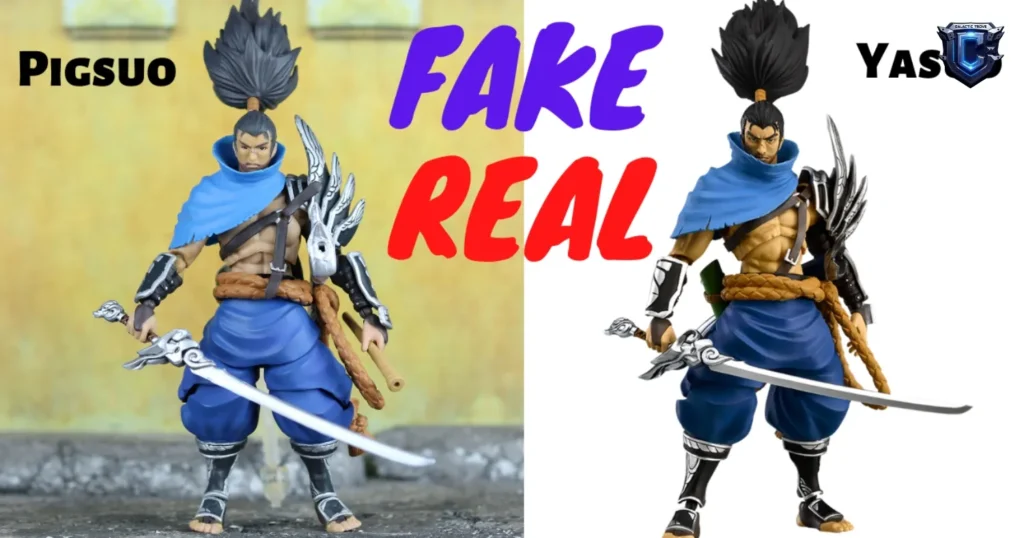
A Bootleg Figure is an unauthorized, unlicensed, and usually highly flammable replica, produced without consent from the official copyright holders (Bandai, GSC, Hot Toys, etc.).
1. The Ecosystem of Existential Dread
This shady market thrives because of three things:
- The FOMO Factor: You missed the pre-order? The Figure you love is now $500 on the aftermarket? Perfect! Counterfeiters leap into the void, shouting, “Relax, we have a suspiciously cheap, vaguely similar version for you!”
- The Chemical Fire Production Model: Bootlegs are made with grade-Z recycled plastic, zero quality control (QC), and a manufacturing philosophy best described as “How can we make this faster and cheaper?” The result is a figure priced at 1/10th of the real thing, but smelling like 1,000 burning tires.
- Digital Dumbing Down: While 3D scanning allows for quick replication, bootlegs are usually copies of copies. Like a photocopy of a photocopy, the detail gets fuzzier and shallower with every generation.
2. The Core Intent: Craftsmanship vs. Con-Artistry
The legitimate company intends to deliver high quality, regardless of cost. The Bootleg Figure producer intends to make money through deception, with quality being an afterthought—or, more accurately, a joke. This difference is visible, even in low-res photos.
II. The Visual Forensics: 6 Ways the Figure Fails the Vibe Check
This is where you become a plastic detective. Grab a bright light and prepare to be disappointed.
1. The Paint Application (The “Derp Eye” Test)
- Authentic: Paint lines are surgical. Shading (airbrushing for depth) is nuanced and intentional.
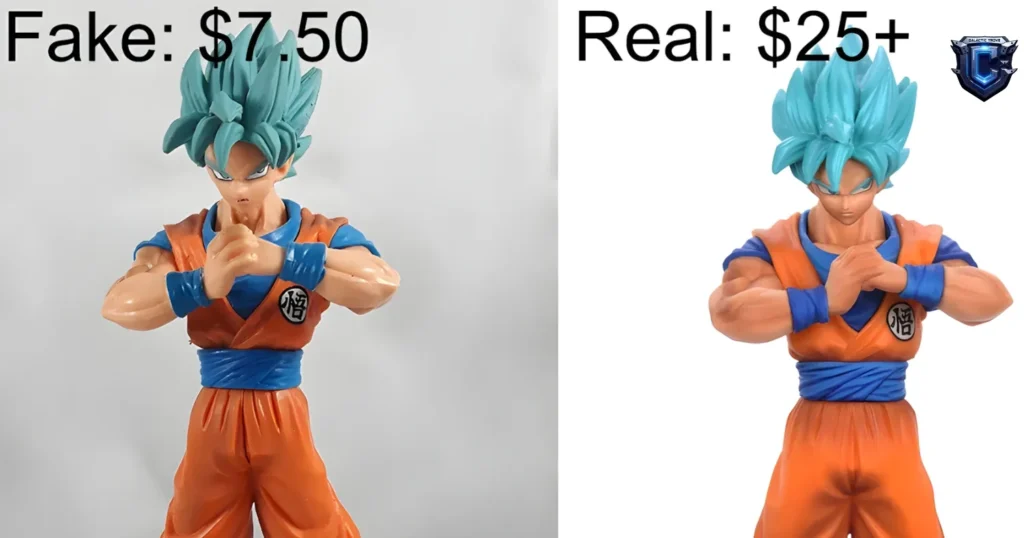
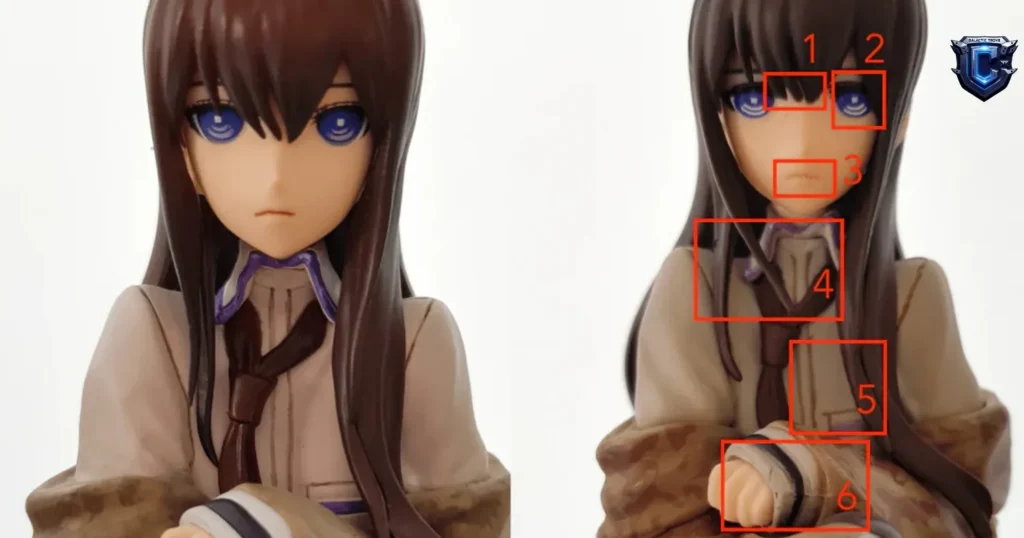
- Bootleg Figure: Welcome to Paint Slop—the paint bleeds over sculpted lines like a leaky pen. Look for sticky, uneven finishes and, most importantly, the Derp Eye Syndrome: the character’s eyes are either misaligned, cartoonishly wide, or painted in a way that suggests they’ve just seen a ghost, or worse, another bootleg figure.
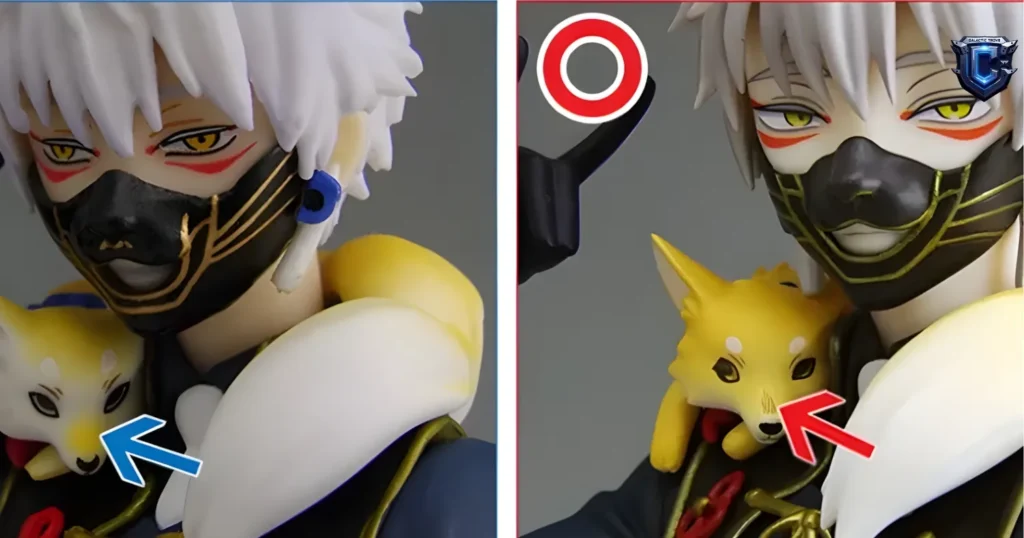
- Expert Tip: Examine tiny details: belts, buttons, hairline edges. If the paint job fails here, the main attraction is compromised.
2. Sculpt Fidelity and Seam Lines (The “Zipline” Scars)
- Authentic: Seam lines (where mold halves meet) are minimal and strategically hidden.
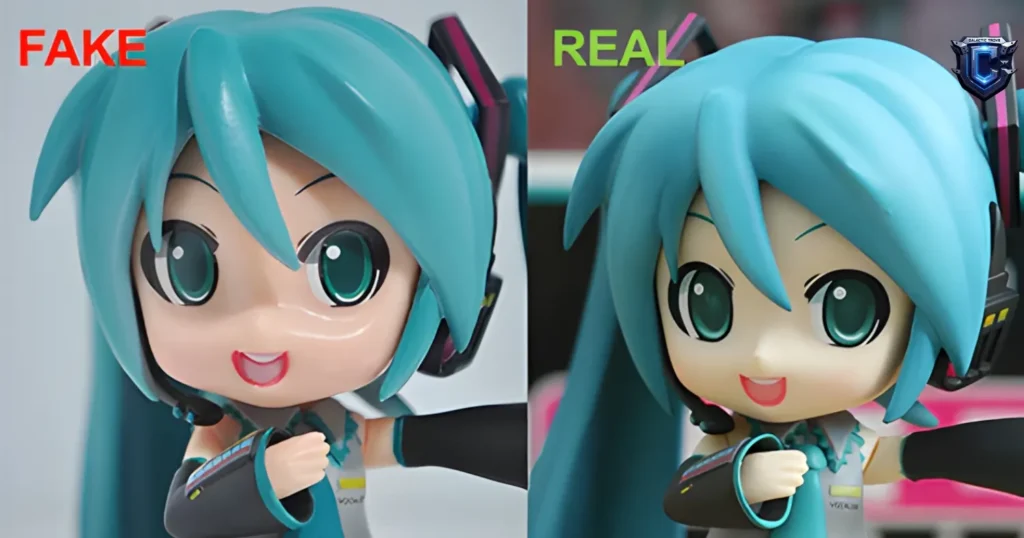
- Bootleg Figure: Features prominent, ugly Seam Lines running across smooth surfaces. They also often have flashing (bits of uncut, excess plastic) still attached. Details look soft or mushy because the mold is a degraded copy. It looks less like a figure and more like Play-Doh left out in the sun.
3. Material Texture and Scent (The Chemical Fire Test)
- Authentic: Uses dense, quality PVC and ABS plastic. It feels solid and has little to no smell.
- Bootleg Figure: Uses cheap, brittle plastic. Crucially, it emits a powerful, acrid chemical odor. If you open the box and are immediately hit by the scent of a toxic waste dump, do not pass go, do not collect $200.
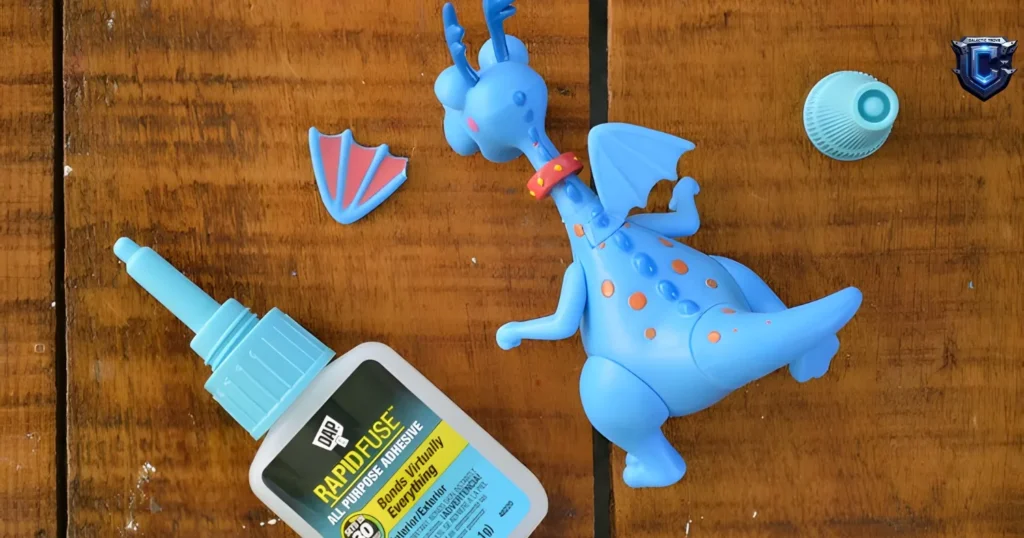
4. Joints and Articulation (The “Grandpa’s Knee” Test)
- Authentic: Joints are precisely engineered, offering enough friction to hold a pose without being too stiff.
- Bootleg Figure: Joints are either too loose (limbs flop under gravity) or too tight (snapping off the first time you try to pose them). You’re dealing with the articulation of a 90-year-old with arthritis.
5. Clear Parts and Transparency
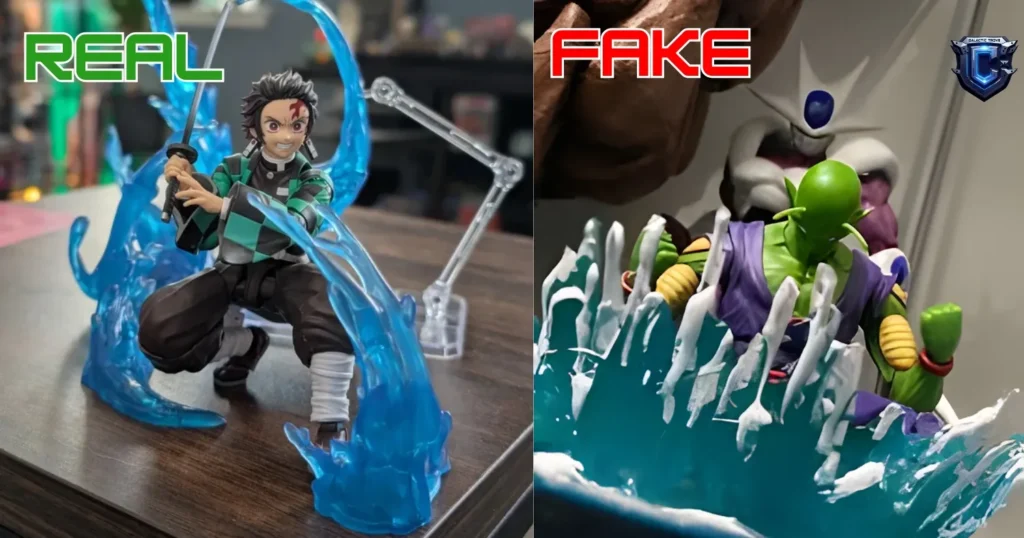
- Authentic: Clear effects (energy blasts, water) are pristine, transparent, and structurally clean.
- Bootleg Figure: Clear plastic often has a yellowish or cloudy tint, contains internal bubbles, and lacks the fine polish of the original.
6. Pegs and Fit
- Authentic: Heads, hands, and accessories snap cleanly and securely into place.
- Bootleg Figure: Pegs are usually misaligned, too thick, or too thin. This results in heads that wobble like bobbleheads, or hands that require the force of a hydraulic press to attach.
III. The Packaging Audit: 5 Red Flags on the Box (The Nokia 3310 Resolution)
The box is the counterfeiter’s lazy masterpiece. Scrutinize it before you even consider opening it.
1. The Image Quality Test
- Look for Pixelation: The number one flaw. Compare the box art to official high-res images. If the print looks fuzzy, blurry, or pixelated like a JPEG from 2005, you have your answer.
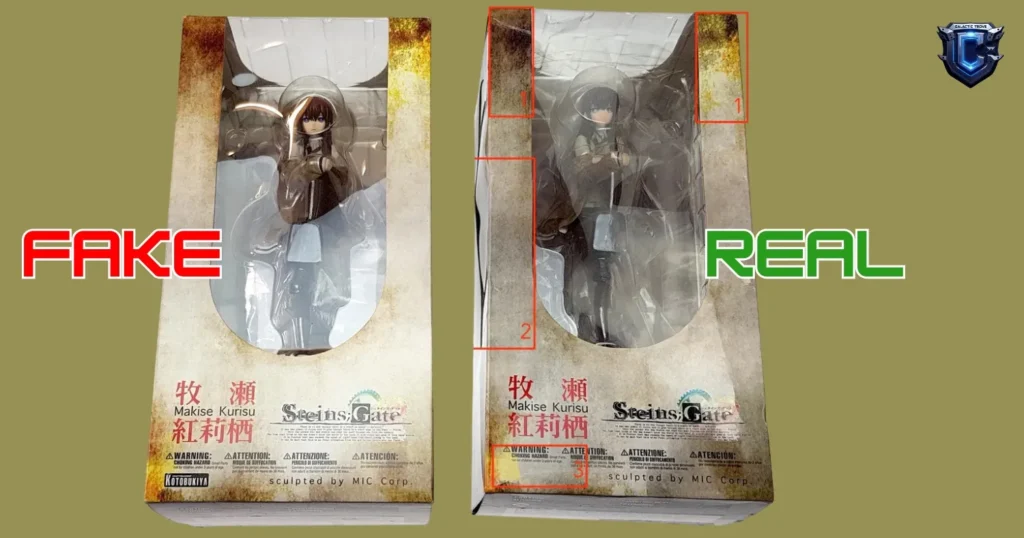
- Color Saturation: Colors often look washed out, overly dark, or simply wrong compared to the vibrant official standard.
2. The Spelling and Typography Review
- Grammar is Hard: Counterfeiters skip the proofreading budget. Scrutinize every word for spelling mistakes, awkward grammar, or syntactical horrors (e.g., “Offical Colictible Figgure”).
- Font Inaccuracy: If the font looks slightly off in weight, spacing, or style, the box is a forgery.
3. The Seal and Hologram Inspection
- Missing Stickers: Authentic figures often have region-specific hologram stickers for verification. If a required seal is missing, be suspicious.
- The 5-Cent Sticker: If the “hologram” is dull, easily peeled off, and lacks the complex light refraction of a genuine seal, it’s just a cheap sticker.
4. The Product Code and Barcode Check
- Generic Barcodes: Legitimate products have unique UPC/JAN codes. If the box lacks a barcode entirely, or the code looks like clip art, it’s a Bootleg Figure.
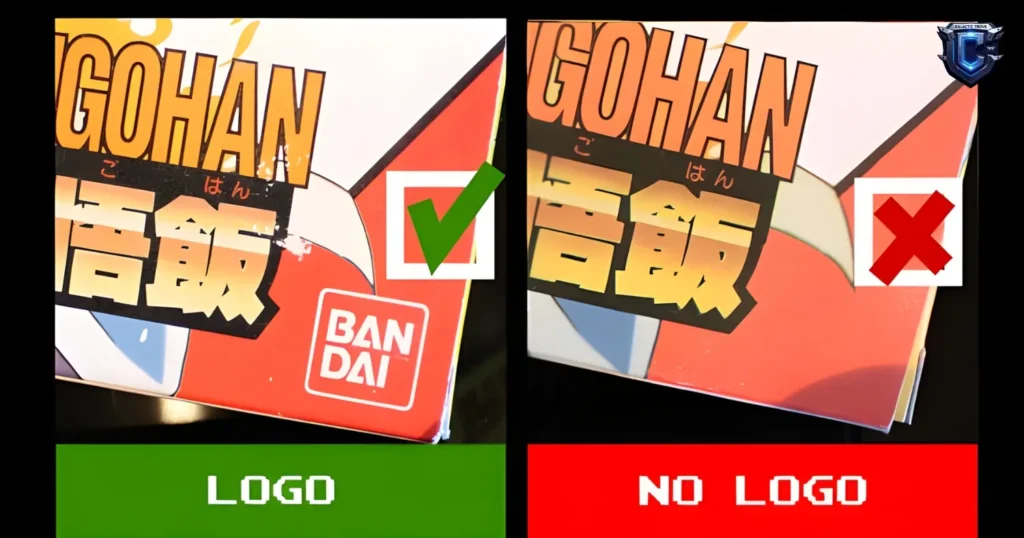
- Missing Licensing Logos: Ensure all necessary licensing logos (e.g., Toei Animation, Marvel) are present and printed correctly.
5. The Internal Tray (The “Free Roaming” Accessory)
- Authentic: The internal plastic tray is custom-molded to securely hug every part, preventing movement.
- Bootleg Figure: The tray is often flimsy, generic, poorly molded, and flexible, allowing the figure and accessories to rattle around like dice in a cup.
IV. The Seller Behavior Audit: 5 Red Flags in the Listing
When buying on marketplaces, the seller’s profile screams the truth before the figure ever arrives.
1. Price Point Paranoia (The “Too Good to be True” Rule)
This is the fastest filter. If a sold-out, $300 figure is listed for $45, you are buying heartache, not plastic. Reputable sellers offer modest discounts (10-20%), not lottery winnings.
2. Image Theft and Deception
- Using ONLY Stock Photos: A seller who refuses to show the actual product in their possession is a massive red flag. They are hiding a secret—a low-quality, ugly secret.
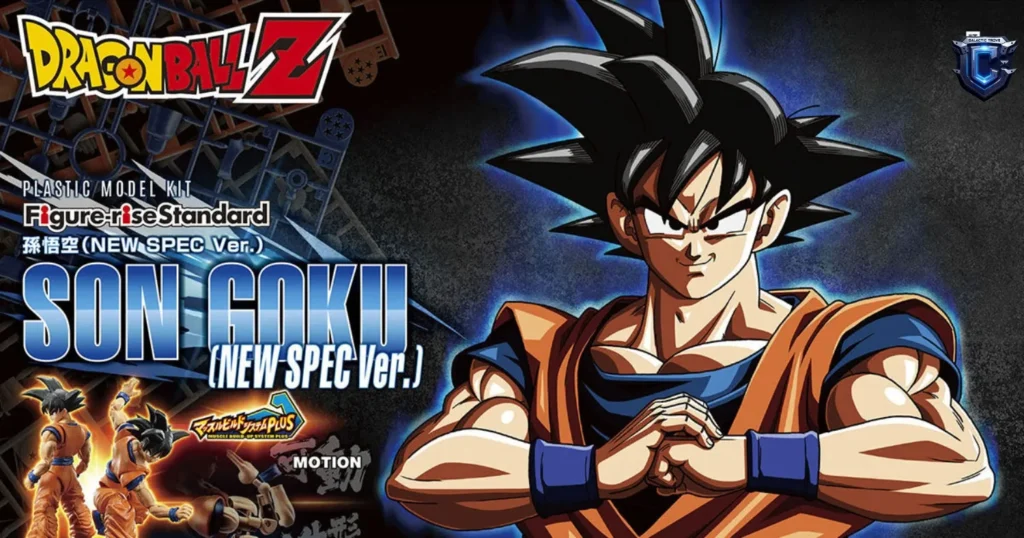
- The “Timestamped” Demand: Always request a photo of the item next to a piece of paper displaying the seller’s name and the current date/time. If they refuse, assume it’s a counterfeit.
3. Vague Descriptions and Code Words
Counterfeit sellers use specific language to explain the low price:
- Intentional Misspellings: Listing titles like “Ban Dai Style Figure” or “Figma S.H.F.”
- “Factory Sample” or “Overstock”: These are the magic words for junk plastic. There is no legitimate scenario where a factory sells “overstock” directly to an unauthorized third party at basement prices.
4. Feedback Review (The 98% Rule)
- Check the Negative Comments: Specifically filter and read any negative reviews. Look for keywords like “fake,” “bootleg,” “smell,” “broken,” or “fraudulent.” High volume, but a rating below 98% is a major warning.
5. Shipping Origin and Timeframe
Products shipping from certain non-domestic, low-cost regions with excessively long shipping times (e.g., 4-8 weeks) are statistically far more likely to be Bootleg Figures. This long timeframe often suggests the item is being shipped straight from the unauthorized factory source.
V. Strategic Defense: 4 Rules to Buy Like a Boss
Make your hobby stress-free by adopting a strategy of verified, authorized sources.
1. The Authorized Retailer Strategy (The Safe Zone)
Only buy from retailers with established, verifiable business relationships with the original manufacturers.
- International Trusted Sources: AmiAmi, HobbyLink Japan (HLJ), Big Bad Toy Store (BBTS), Sideshow Collectibles, etc.
- Manufacturer Stores: Buying directly from the official web stores is absolute immunity.
- Benefit: They guarantee authenticity and provide support. No Bootleg Figure will ever pass through their doors.
2. The ID and Code Cross-Reference
Before committing, find the official JAN Code/Product Number from the manufacturer. When the figure arrives, verify that the code on the box matches the official code exactly. If it’s a mismatch, you’ve been had.
3. The Community Check
Before investing in a high-value piece:
- Search for Reviews: Find professional and fan reviews, focusing on close-up photos.
- Bootleg vs. Legit Videos: Search for “Bootleg vs. Legit [Figure Name].” These community guides often show the exact flaws unique to the counterfeit version of that specific character.
4. Payment Protection
Always use payment methods that offer robust buyer protection (e.g., PayPal, credit cards). These services are your best friend when disputing a sale involving illegal, counterfeit goods.
VI. Post-Fake Protocol: You Got Got, Now Fight Back
Don’t let the bootlegger win. Here’s how to recover your funds and save the community.
1. Document Everything
- Photograph the Evidence: Take detailed, high-resolution photos of the packaging flaws, the figure’s technical defects (Paint Slop, Seams), and the fraudulent seller’s listing description.
- Retain Packaging: The box is evidence. Do not discard it!
2. Initiate a Dispute Immediately
- Marketplace Dispute: File a claim with the platform (eBay, Amazon) immediately. State clearly that the item is a counterfeit/bootleg and not merely “not as described.”
- Payment Provider: If the marketplace drags its feet, escalate the dispute through your payment provider (PayPal, Credit Card company).
3. Report the Counterfeiter
- Platform Reporting: Report the seller and the specific listing for selling counterfeit goods.
- Manufacturer Reporting: Some major companies have dedicated forms for reporting sightings. This helps them track and shut down the illicit factories.
VII. The Future of Authentication: Beyond the Magnifying Glass
The battle evolves, and so does the tech:
- NFC/RFID Tags: High-end figures are beginning to include NFC/RFID chips in the base or packaging. Scanning with a smartphone instantly verifies authenticity against a secure database.
- Secure QR Code Verification: A unique, serialized QR code that links directly to a unique product page on the manufacturer’s secure server is a strong defense against box replication.
By following this guide, you are not just protecting your wallet from losing money on a Bootleg Figure, but you are contributing to the overall sanity and integrity of the collectible hobby. Stay vigilant, buy from authorized channels, and enjoy your pristine, non-toxic collection!

- Best Detolf Alternatives 2026: 8 Cases That Elevate Your Jaegers - November 30, 2025
- Best Transformers Action Figures 2026: Only 7 Didn’t Make Me Want to Sell a Kidney - November 26, 2025
- The Benefits and Risks of Collecting Limited Edition Models in 2026 - November 23, 2025