
Blind Box: the final boss of your collecting hobby. Forget scalpers, forget bootlegs, forget your credit card limit. This tiny, beautifully crafted cardboard coffin exists solely to bury your rational decision-making skills. It’s the only product in the collector market that guarantees 90% disappointment and 10% fleeting, dopamine-fueled triumph.
I. The Unholy Trinity: Defining the Blind Box Ecosystem
The Blind Box is a deceptively simple product built on complex principles of scarcity and shame. It thrives on a carefully calculated distribution system designed to generate maximum consumer misery—or, as marketers call it, “engagement.” It’s an intellectual property black hole where logic vanishes the moment you see the shimmering, opaque packaging.
1. The Anatomy of a Tiny, Costly Conspiracy
Every series adheres to the same financial blueprint. Knowing this blueprint doesn’t save you money, but it gives you something to mutter about as you hand over your third paycheck of the month.
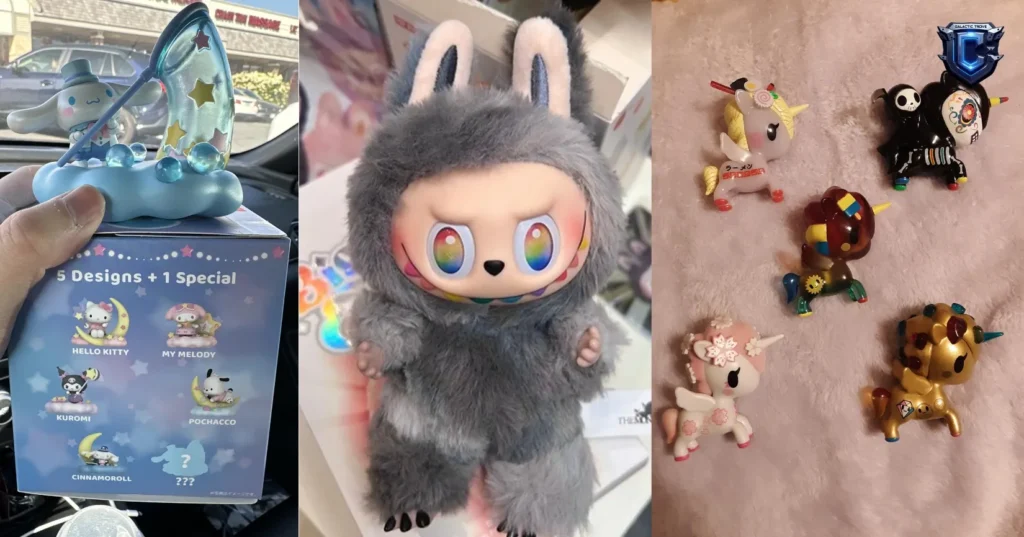
- The Common Set (The Filler, The Burden): These are the 9 to 12 Figure Models that serve as the padding for your disappointment. They are nice, well-sculpted, and utterly irrelevant because they are not The One. These Figure Models exist solely to lower the average “excitement value” of the entire case. You will own all of them, multiple times over. Think of them as the participation trophy of your addiction; everyone gets one (or seven).
- The Chase Figure (The Tease, The Shiny Distraction): Sometimes, there’s a variant, a metallic paint job, or a slightly different pose. This is the manufacturer’s way of telling you, “We know you hate the Common set, so here is a slightly shinier, slightly less Common one, just to keep your hope alive until you hit rock bottom.” It’s the consolation prize that still doesn’t scratch the itch.
- The Secret Figure (The Unicorn, The Grail, The Financial Black Hole): This Model is the reason the entire global market for Blind Boxes exists. It’s the one that breaks eBay, launches careers on TikTok, and causes marriages to fail. The Secret Figure is a masterwork of rarity, often sitting at a 1/144 chance. Its existence is proof that dopamine is a far more powerful currency than common sense. The odds are astronomically low, meaning the Collector is literally betting against the laws of probability for a piece of exclusive plastic.
- The Golden Rule of Scarcity: The Secret Figure must always be visibly better than its common peers. It might be bigger, have special accessories, or be a completely different character, ensuring that the Collector must suffer, spend, and suffer some more for their ultimate prize. This is a deliberate act of psychological cruelty, thinly disguised as a hobby.
2. The Case: A Bulk Discount on Regret
A Collector soon graduates from buying single Blind Boxes (the “amateur hour” stage) to buying a whole “Case” (the “I’m financially committed to this lifestyle” stage). This bulk purchase is packaged as a “guarantee” of satisfaction.
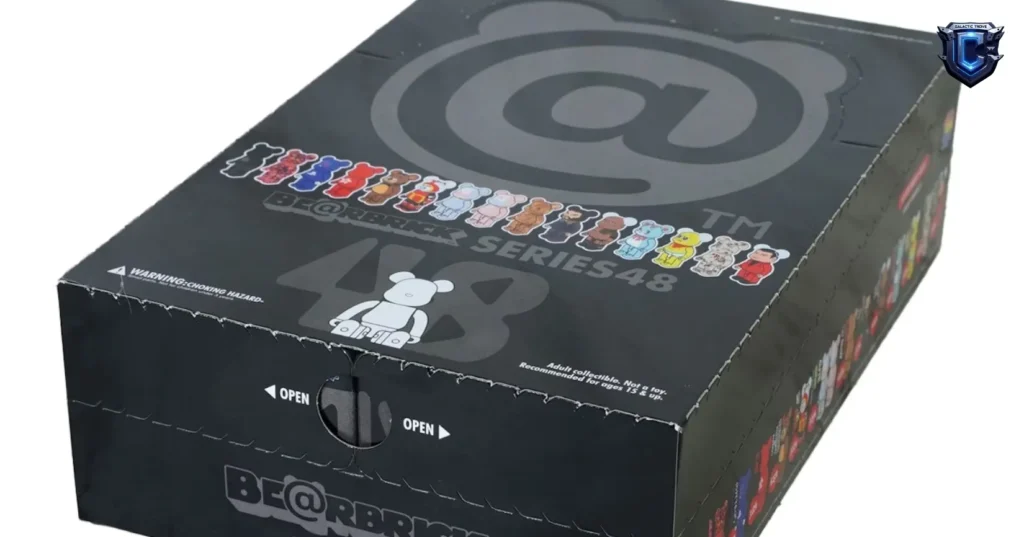
- The Lie of Guaranteed Completeness: The case typically contains 12 boxes. The manufacturer promises a “sealed set,” meaning you get all 12 unique Common Figure Models—but wait! The Secret Figure often replaces one of the Common Models in the box count.
- The Irony: You buy the whole case to complete the set, only to find you are still missing one common Figure and have to dip into the secondary market anyway. The manufacturer essentially forces you to engage in their Game of Chance twice: once for the main set, and once more on eBay for the single Figure you should have already received. It’s a genius-level scam.
- The Math of Defeat: At whatever ludicrous price per box, a full case is guaranteed to produce 11 desirable items and 1 item that immediately becomes a burden (either the Secret Figure—which you keep—or the Common Model you have to now sell or trade). You’ve paid hundreds of dollars just to have a new list of financial problems and a new character to hunt.
II. The Psychological Alchemy: How Blind Boxes Hijack Your Brain
This section is dedicated to the brilliant, cruel minds who designed the Blind Box to exploit the deepest, most embarrassing insecurities of the human psyche. We are all puppets, and the strings are made of shiny plastic.
1. Intermittent Reinforcement: The Casino’s Favorite Trick
Why do we buy another? Because we’re not wired for logic; we’re wired for Variable Reward Scheduling, the insidious backbone of every addictive behavior since the invention of bread.
- The Setup: If every box contained the Secret Figure (a Fixed Reward), you’d buy one and stop. If every box contained trash (a Negative Fixed Reward), you’d stop immediately.
- The Hack: The Blind Box is an Intermittent Reinforcement schedule. Sometimes, you get exactly what you want (a Secret, a Chase), and sometimes you get the fourth identical fluffy bunny (a Common). This randomness—this unpredictability—makes the addiction far stronger than any fixed reward system. Your brain screams, “The last one was a flop, but the next one must be the winner!”
- The Dopamine Spike: The anticipation of tearing open that foil wrapper causes a larger dopamine spike than the actual reward itself. It’s the thrill of the potential, not the reality of the Figure. When you open it and it’s a duplicate, the dopamine crashes, leaving you with an empty hand and a full shopping cart.
2. The Cult of Completionism (The OCD Tax)
The Collector is, by nature, afflicted with a severe form of Completionism. The sight of an empty slot in a display cabinet is a physical pain, a gaping wound only another purchase can heal. The manufacturer is counting on this.
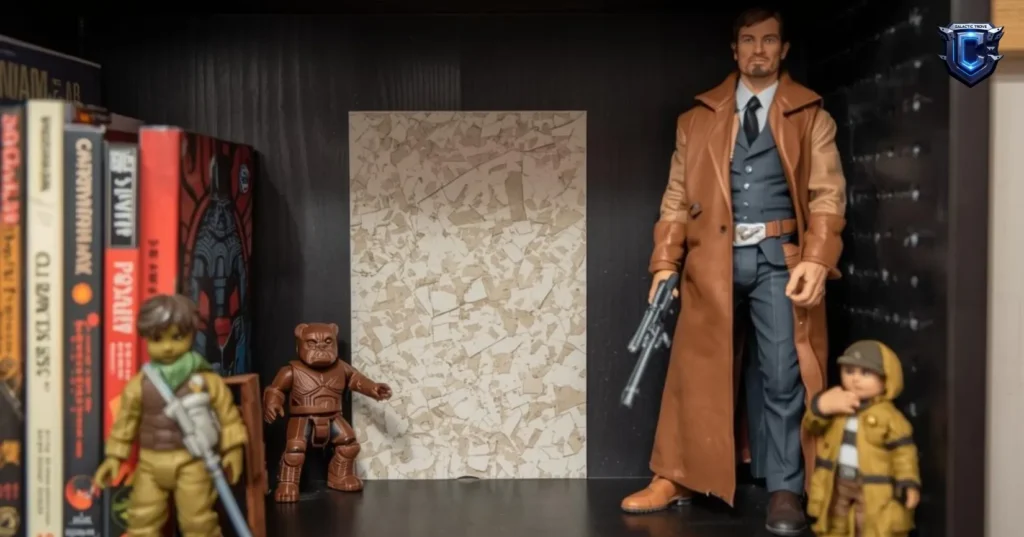
- The Manufacturer Knows: They deliberately make the set size manageable (10-12 Figure Models) to convince the Collector that completion is “just a few boxes away.” This proximity to the goal forces you into a spiral of desperation.
- The True Cost of a Complete Set: Once you own the case, you have the shame of the missing Common Figure and a surplus of Duplicates. Now you must decide: Do you keep buying singles until you stumble upon the missing common, or do you humble yourself and pay an inflated Aftermarket Price for a common item? Either way, you lose. You have paid a massive, self-inflicted tax just to eliminate a gap in your display.
3. FOMO and the Social Media Showcase
Blind Boxes are designed for social media. The “unboxing” video is the industry’s most powerful marketing tool, a vicious cycle of consumer envy.

- The Loop: You watch an influencer shriek with delight as they hit the Secret Figure (a statistically anomalous event). Your brain registers this as a possible outcome for you. You buy a box. You get a duplicate. You watch another video. You buy another box.
- The Hidden Incentive: The excitement of the Blind Box is not just in owning the Figure, but in the story of how you got it. It’s the brag: “I pulled the 1/144!” This narrative value is what makes the Blind Box experience, but it’s paid for by the dozens of unsellable plastic figures you accumulated along the way.
III. The Cold, Hard Math: Dissecting the Financial Disaster
Let’s stop being emotional. Let’s be accountants. And then we’ll cry. This is where we calculate the value of your plastic regrets.

1. The Value Proposition (It’s Bad and You Know It)
A standard Figure Model in a Blind Box series typically has a production cost of $2-3 (at scale). It sells for $15. Your value ratio starts at 1:5 before you even factor in the duplication cost.
- Cost of Desired Item: Let’s say there is one FigureModel you must have (Character X).
- The Rational Path: Buy Character X, already opened, on eBay for $30 (a modest markup). Total cost: $30.
- The Collector’s Path: You try 5 boxes ($75). You get 5 duplicates. You give up and buy it on eBay for $30. Total cost: $105. Plus the guilt of the 5 sad plastic orphans you now own.
The Blind Box format adds a massive, unnecessary “Toll of Indecision” to the price of every item you want. It’s an optional stupidity fee.
2. The Burden of Duplicate Figures (The Plastic Landfill)
Your Duplicate Figures are not assets; they are physical manifestations of poor decision-making.
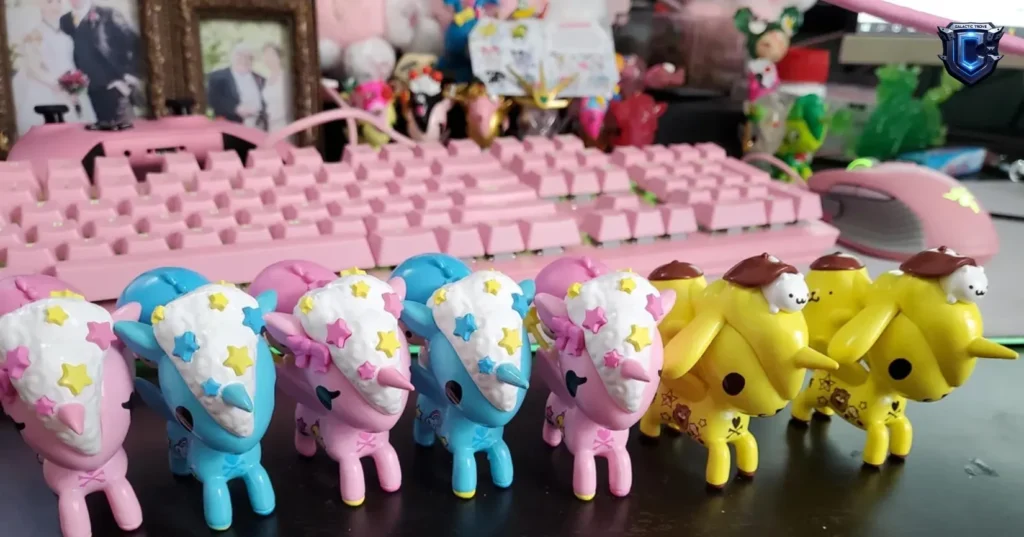
- Value Erosion: Reselling Duplicate Figures to recoup losses is incredibly difficult. Except for specific beloved Figures, most Common Figures have an Aftermarket Price (Secondary Market Price) lower than the original price you paid. Nobody wants your fifth identical sleepy sloth.
- The Fixed Loss: Every time you open a Blind Box and receive a Common Figure you already own, you are logging a fixed, non-recoverable loss equal to the price of that box. The only thing you gain is experience in recognizing a losing hand.
3. The Resale Value Delusion (The Collector’s Favorite Lie)
Every seasoned Collector whispers the same toxic lie to themselves: “I’m not wasting money; I’m investing.”
- The Fantasy: You hit the 1/144 Secret Figure, immediately list it for $500, and use the profit to cover the cost of the entire case, making your “free” set feel like a brilliant financial move.

- The Reality: The Secret Figure market is volatile. Everyone else who got the Secret is also trying to sell. Meanwhile, your 11 duplicate Common Figures are listed for $5 below retail and still have no buyers because everyone has them. The Figure Models you’re actually selling are losing value every day, turning your supposed “investment” into a slow, sad garage sale of plastic shame. You’ll spend more on shipping materials than you’ll ever recover.
IV. The Manifesto of Resistance: 5 Rules for the Strategic Collector
If you insist on playing this Game of Chance—and let’s be honest, you will—at least play it like a seasoned, slightly cynical veteran, not a lamb being led to the plastic slaughter.
1. Establish a “Burn” Budget (The Financial Leash)
The Rule: Only spend an amount of money you are perfectly willing to lose. Never buy Blind Boxes with savings or rent money. Consider it the cost of entertainment, equivalent to a bad movie ticket.

The Defense: If you don’t get the desired Figure after 3–5 boxes, STOP IMMEDIATELY and move to Rule 2. Do not let yourself fall into the endless FOMO trap. The moment you decide to chase the loss, you have already lost.
2. Embrace the “Opened Box” Market (The Only Smart Way)
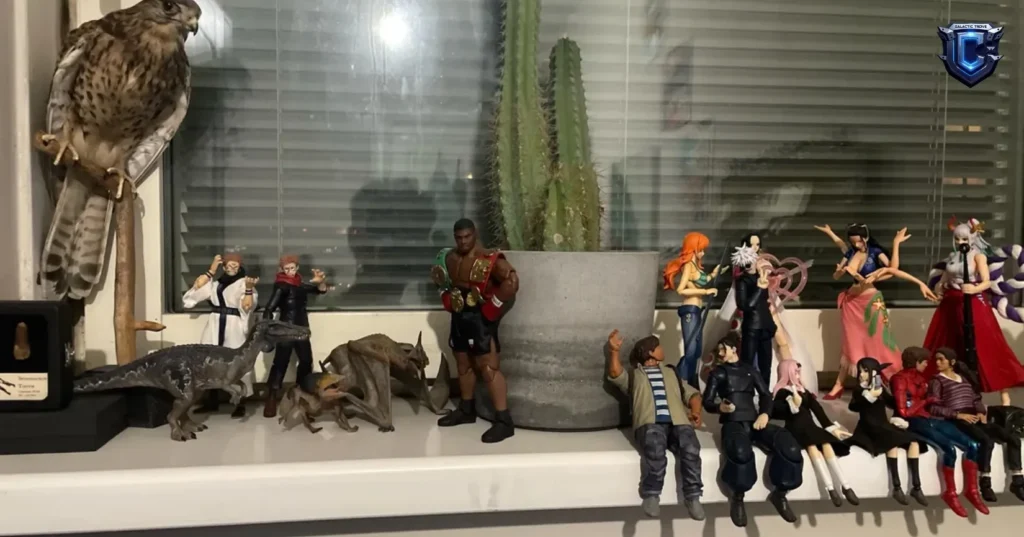
The Rule: The absolute most economical way to Collect Blind Boxes is to buy opened boxes on the secondary market.
The Benefit: You eliminate the Game of Chance entirely. You are paying a slight premium for the guarantee of the specific Figure you want. Even paying double the retail price for a single opened Figure is cheaper than buying four Blind Boxes to try and find it. This is the Collector’s equivalent of saying, “I’ll skip the casino and just go straight to the luxury suite.”
3. The 70% Likability Buffer (The “Don’t Be Picky” Strategy)
The Rule: Only purchase a Blind Box series if you genuinely like at least 70% of the Common Set.
The Defense: If you only want one Figure Model, you are explicitly setting yourself up for failure and disappointment 9 out of 10 times. If you love the entire cast, then even if you don’t hit the Secret Figure, you will still be satisfied with your Collection and avoid having an emergency plastic disposal problem. If you only like the Secret, you are clinically insane—just buy the Secret on the secondary market.
4. The Bulk Liquidation Tactic
The Rule: Don’t waste time selling individual Common Figures hoping to achieve the original Resale Value (Secondary Market Price).
The Tactic: Bundle the unwanted Common Figures into “lots” and sell them cheaply to new Collectors or people who simply like that Model. The goal is to free up space and recover a small portion of capital, not to profit. Think of it as selling your regrets at a heavy discount.
5. Check Appearance Rates and Limited Edition Details (Know Your Enemy)
The Rule: Before buying, always search online for information on the Secret Figure rate. If the rate is 1/144, you know your chance of winning is almost zero.
The Action: Use this knowledge to reinforce your decision: buy the Secret Figure directly on the secondary market. Don’t be a hero; be an economist. That one YouTube video where a lucky streamer hit the Secret on their first try? That was marketing, not statistics.
V. The Final Verdict: Is the BLIND BOX Worth the Gamble?

Emotionally, the Blind Box is a burst of suspense—and sometimes a moment of supreme, albeit expensive, joy when you hit the Secret Figure. But financially and strategically for Collecting, the Blind Box is a systemic trap, a high-interest loan on fleeting happiness.
It is worth buying ONLY if:
- You view it as an entertaining Game of Chance, not a Collecting strategy.
- You are happy with the most common Figure Model in the series (the one you’ll get 80% of the time).
- You strictly adhere to your “burn” budget and stop before the plastic duplicates form a towering monument to your foolishness.
Otherwise, you should ignore the temptation of the sealed box and directly spend your money on the Limited Edition Figure already opened on the secondary market. Don’t let the thrill cloud your Collector’s judgment. Buy what you want, not an opportunity for regret. Your Wallet Deserves Better.

- Best Detolf Alternatives 2026: 8 Cases That Elevate Your Jaegers - November 30, 2025
- Best Transformers Action Figures 2026: Only 7 Didn’t Make Me Want to Sell a Kidney - November 26, 2025
- The Benefits and Risks of Collecting Limited Edition Models in 2026 - November 23, 2025