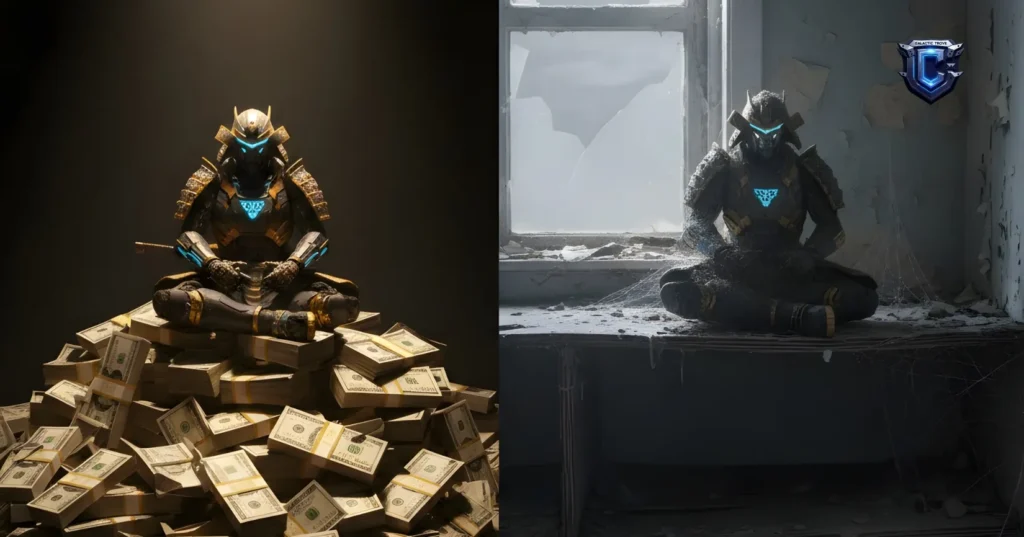
The benefits and risks of collecting limited edition models – the hobby that can turn $600 into $6,000, or into a supremely expensive shelf ornament no one wants. I’ve been on both sides, many times. I’ve eaten ramen for a month to buy a “sure thing” exclusive, and I’ve also paid off a credit card thanks to a single swift flip. This is the brutal, non-sponsored, non-affiliate truth for 2026. If you’re about to “YOLO” your rent money on a 500-piece run, read this first. Your future, impoverished self will thank me.
1. 5 Real-World Benefits That Actually Happen
Look, if I told you that collecting limited edition models was purely about aesthetics, I’d be lying. The real thrill isn’t just in the ownership; it’s the hunt, the subtle power, and the potential cash. Discussing the benefits and risks of collecting limited edition models requires acknowledging the big wins before we move on to the massive failures. After 15 years in this ridiculous game, I can confirm that the joy of one spectacular win almost balances out the thousands of dollars I’ve lost. Almost.
Benefit 1: Immediate Financial Leverage (The Quick Flip)

The primary draw for new collectors (and old scammers) is instant profit. You secure a highly sought-after exclusive—think a Tamashii Web Shop exclusive Metal Build or an event-exclusive Hot Toys repaint—and you immediately list it for double the price. It’s an intoxicating feeling. I’m talking about buying a $300 figure and selling it sealed for $650 before it even ships. This happens because you took the risk, and some other poor soul missed the pre-order window. They need it, and you have it. That feeling of instant liquidity is the most addictive part of the benefits and risks of collecting limited edition models, as it validates the financial madness. You can use that profit to fund your real collection—or, more likely, buy two more limited edition figures and restart the cycle.
Benefit 2: The Sense of Exclusivity (The Subtle Flex)
This is the psychological side of the benefits and risks of collecting limited edition models. When a product is strictly limited, owning it grants you instant social currency. If you post that photo of the 1-in-500 limited Gunpla model, you’re not just posting a model; you’re posting a trophy. You earn the right to say, “Yeah, you can’t have this one.” That dopamine rush, the recognition from other collectors in the comments, the DMs asking “where did you get that?”—that’s why we stay poor. It’s a core component of the benefits and risks of collecting limited edition models. It makes the sleepless nights of constant F5-ing worthwhile. For many companies, defining ‘Limited Edition’ is purely marketing hype, but that doesn’t stop us from chasing the feeling. For reference on how vague this definition is nowadays, see how collectors typically interpret the term: https://www.sideshow.com/help/limited-edition.
Benefit 3: Guaranteed Long-Term Value (The Unicorns)

While most exclusives tank, the true unicorns—the models that become generational hallmarks—will appreciate significantly. We are talking about iconic releases: maybe a Bandai Hi-Metal R VF-1S or an early 1/6 scale prototype figure from the MCU’s peak era. These are models with low production numbers tied to high, sustained demand that outlasts the relevance of the source material. Five years post-release, they can sell for 5x to 10x the original retail price. Finding these true long-term opportunities—the items that genuinely make collecting feel like an investment—is one of the most rewarding benefits and risks of collecting limited edition models. These are the figures that keep collectors swearing the hobby is profitable.
Benefit 4: Quality & Detail (Sometimes)
Let’s be honest: sometimes, the “limited edition” tag actually means the company took the time to do it right. Maybe they include extra metal parts, specialized paint applications, or a unique diorama base that the mass-market release lacks. You pay more, but you get a display piece that is demonstrably superior in quality. Often, these are produced in smaller batches in a more specialized, high-quality facility. When this pays off, it really pays off, giving you a beautiful display piece that will stand the test of time. This is one of the few tangible, non-financial benefits and risks of collecting limited edition models you can actually appreciate on your shelf every day.
Benefit 5: The Thrill of the Hunt

The pre-order war, the F5-smashing, the international proxy services—it’s all part of the game. For jaded collectors like me, the process of securing the limited edition model is often more fun than actually owning it. It proves you’re still sharp, still connected, and still faster than the bots (or at least one bot). This adrenaline rush is an often-overlooked part of the benefits and risks of collecting limited edition models. It keeps the hobby alive, even when the financial ledger looks grim. It’s a mental game of skill and speed, and winning it is pure collector validation.
2. 8 Brutal Risks That Will Actually Happen
If the benefits are a fleeting euphoria, the risks are a chronic, existential dread. I have lived these. Every collector discussing the benefits and risks of collecting limited edition models must start with the pain points, because they are far more common than the profit points. Get ready for some cold, hard truths that cost me thousands of dollars to learn.
Risk 1: The “Limited Edition” Lie (The Flood)

The most common risk: “Limited Edition” today often means “Limited Production Run, but still 15,000 units.” The concept of scarcity that defined the golden age of the benefits and risks of collecting limited edition models is dead. Companies use the phrase to generate hype, forcing pre-orders. When the model finally ships, the supply is massive, the demand has moved on to the next thing, and you end up holding a $350 brick that sells for $250. You lost your money, your shipping fees, and your patience. I’ve seen this happen across almost every major line, from premium statues to vinyl figures. It’s a marketing tactic designed to make you panic buy, and it is the number one reason you need to carefully evaluate the true benefits and risks of collecting limited edition models.
Risk 2: The Sunk Cost Fallacy (Display Case Debt)
You threw $700 at a 1/6 scale limited edition figure. Six months later, you realize you don’t actually like the character or the execution. You try to sell it. Now you face the truth: you’re competing with everyone else who bought it. You must sell it for at least $700 to break even, but the market price is $550. You can’t stomach the $150 loss, so you put it back in the display case, reminding you every day of the money you could have used for rent or a better, different figure. This crippling stagnation is a major risk when evaluating the benefits and risks of collecting limited edition models. This debt is mental as well as financial.
Risk 3: Paint & QC Catastrophes

Limited edition does not mean better Quality Control. It means faster production to meet the hype deadline. I cannot count the number of “exclusive” Gunpla kits I’ve opened only to find horrific nub marks or paint slop that makes the entire build look sloppy. When you buy a mass-produced item, you accept some QC flaws. When you pay 50% more for an “exclusive” item, the disappointment is soul-crushing. This QC gamble—where a small batch can be rushed and flawed—is a huge part of the inherent benefits and risks of collecting limited edition models. You pay for perfection but receive mediocrity, and then you have to beg the company for replacement parts that may never arrive.
Risk 4: Shipping, Tariffs, and Proxies (The Hidden Fees)

You bought a Tamashii Web exclusive from Japan. The model costs $150. Shipping (via a proxy, because you can’t buy direct) costs $60. Then, customs hits you with a $40 tariff. Your “$150 limited edition” item just cost you $250. If you try to flip it, you need to sell it for $350 just to make a significant profit. The unforeseen costs are a constant drag on the supposed financial benefits and risks of collecting limited edition models. When factoring in these fees, the quick flip profit quickly disappears. Always budget an extra 30-50% over the list price for international exclusives.
Risk 5: Bankruptcy via Shelf Space

This sounds like a joke, but it isn’t. Limited edition models tend to be large (1/6 scale, Gunpla Master Grades, 1/4 scale statues, etc.). They demand prime display real estate. If you accumulate 50 of these, you need a dedicated room, and the sheer weight will likely collapse a standard IKEA shelving unit. The long-term physical burden—the need for specialized display cases, lighting, and dusting—is a legitimate risk when you consider the overall scope of the benefits and risks of collecting limited edition models. Eventually, you run out of space and have to sell something you love just to accommodate the new “limited” item.
Risk 6: Liquidity Drought (The Stale Listing)
You have a highly sought-after exclusive. You list it on eBay. Two years later, it’s still listed. Why? Because the original fan community moved on, the sequel flopped, or a better version was released. Your cash is tied up in a sealed cardboard box that no one wants. Checking completed listings on sites like eBay is key to understanding the real market for your “limited edition” model, and often those completed listings show a catastrophic price drop. You need to be prepared for the reality that a limited run does not guarantee future interest. I have a pile of $200 “limited” statues that I’d be lucky to get $80 back for today. Sad reality check of completed listings before you buy: https://www.ebay.com/sch/i.html?_nkw=hot+toys+limited&_sacat=0&LH_Sold=1&LH_Complete=1.
Risk 7: Investment Opportunity Cost
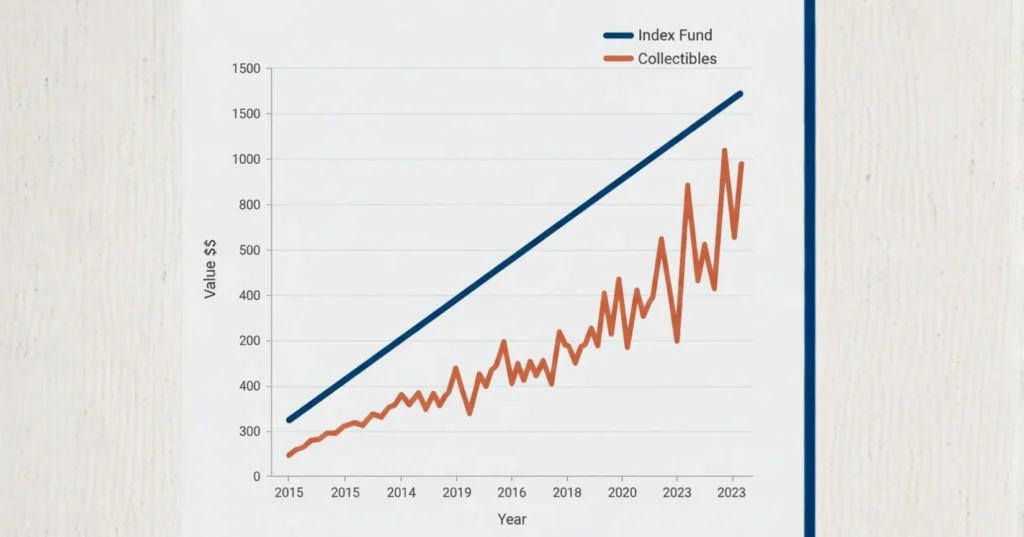
This is the financial analyst in me talking: You spent $400 on a limited edition model today. In five years, maybe it sells for $650. That’s a $250 profit. If you put that same $400 into a low-cost S&P 500 index fund, you would likely have $600-$700 with no physical risk, no packing/shipping headache, and instant liquidity. The true financial benefits and risks of collecting limited edition models are often dwarfed by basic, boring investments. We still do it because index funds don’t pose dynamically on your shelf. It’s an expensive hobby, not a retirement plan.
Risk 8: Obsolescence Due to Superior Rerelease

The most painful risk. You bought the “limited” version with the flawed sculpt. Three years later, the company rereleases a “Definitive 2.0 Edition” that fixes all the mistakes, uses newer technology, and includes better accessories—often at the same original price. Your original “limited edition” model instantly loses 40% of its market value because it is now the inferior version. This risk is rampant in the modern collecting market and is the ultimate psychological warfare against those who invest in limited edition models. Never buy the first version of anything expecting it to hold value unless the mold is truly unique.
3. My Personal $18,000 Gain and $25,000 Loss Log
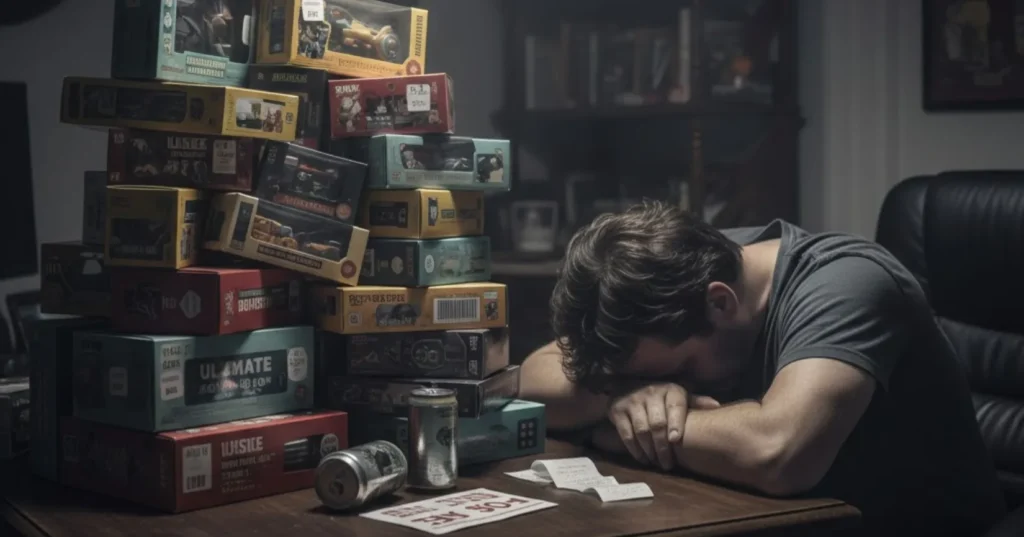
I’ve been in this game 15 years, and I’m keeping score. The real benefits and risks of collecting limited edition models aren’t academic; they are cash, regret, and victory. Here’s a painful snapshot that confirms my skepticism.
The Wins (Total Net Profit: ~$18,000 before taxes, eBay fees, and my time)
- Case 1: SDCC Exclusive (2012): I stood in line for 12 hours for a NECA 7-inch exclusive set. Cost: $100. Sold 4 units immediately on the spot for $300 each to people who missed the cutoff. Profit: $800. This win made me think I was smart. I was just lucky and had more water than the competition.
- Case 2: Tamashii Web Metal Build (2018): I secured a pre-order for a specific variant no one in the US thought would be popular. Cost: $350. By the time it shipped, the associated video game had blown up in Asia. Sold for $1,200 two weeks after shipping. Profit: $850. The best kind of success story in the benefits and risks of collecting limited edition models—pure luck tied to media popularity.
- Case 3: Hot Toys Prototype (2020): A limited edition figure only available at specific conventions. Cost: $450. The lead actor retired shortly after, making all his items instantly desirable. Demand shot up. Sold in 2024 for $3,200. Profit: $2,750. This is the exception, not the rule. If you’re banking on one of these to save your collection, you’ve already failed.
The Losses (Total Net Damage: ~$25,000, mostly tied up in stagnant inventory)
- Case 1: The “Store Exclusive” Flood (2015): I bought 10 units of a “limited” Funko POP! exclusive to a major US retailer. They produced about 50,000 units. Total outlay: $150. Current resale value: $15. Damage: $135. Lesson: Never trust a retailer’s definition of “limited.”
- Case 2: Resin Statue Scam (2017): Pre-ordered a 1/4 scale limited edition resin statue from an unknown foreign studio (running 100 pieces). Paid a $1,500 deposit. The studio disappeared after six months and two delay announcements. Damage: $1,500. A constant hazard when evaluating the benefits and risks of collecting limited edition models from unvetted companies.
- Case 3: Obsolete Metal Robot (2021): Purchased a Metal Robot Spirit model (Tamashii Web Exclusive) for $180. The following year, Bandai released a far superior Metal Build version of the same character. My “limited edition” figure instantly became worthless because it was the inferior version. Sold it for $90 to cut losses. Damage: $90 plus shipping/fees. This is the common fallout of ignoring the lurking obsolescence risk associated with limited edition models.
In the end, I’m about $7,000 down on the books, but I have a truly incredible collection and the scars to prove it. The real value is the experience, not the financial spreadsheet. The benefits and risks of collecting limited edition models are a tax on the obsessed.
4. How to Spot a Moonbag Future vs. a Brick Future in 2026
If you insist on playing the game, you need to mitigate the risks and maximize the chances of realizing the true benefits and risks of collecting limited edition models. Here is the only checklist that matters for predicting success in 2026.
The Moonbag Future (Buy Signal)
- Low Production Count + High-Demand IP: The sweet spot is a genuinely low run (under 1,000 units, maybe even under 500) paired with an iconic, globally beloved character. Example: A limited edition model of a classic comic character’s ‘first appearance’ variant. This combination drastically shifts the balance of the benefits and risks of collecting limited edition models in your favor.
- “Never to be Repeated” Mold: Does the model utilize a unique, expensive mold that the company is unlikely to reuse? If it’s an all-new body sculpt for a minor character, they won’t spend the money again. That makes the piece genuinely scarce and future-proof against most rereleases.
- Regional Exclusive (Japan/Asia): If the model is only available through exclusive Japanese web shops (like the Tamashii Web exclusives we often hunt: https://tamashiiweb.com/special/), the lack of easy distribution guarantees scarcity in the West. This consistently leads to inflated prices and is a key driver of the financial benefits and risks of collecting limited edition models.
- Prototype/Test Significance: Models that represent the ‘first’ or ‘prototype’ version of a popular mech or vehicle tend to hold value better than simple repaints. They carry a historical significance in the IP’s lore.
- Small, High-Quality Company: If a small, dedicated company known for quality work (like certain independent garage kit makers) announces an ultra-limited run (under 300), demand from dedicated fans will always outstrip supply.
The Brick Future (Sell Signal)
- The “Event Exclusive” Repaint: This is the cheapest scam in the book. A company takes an existing, mass-produced figure, repaints it in a “glow-in-the-dark” or “metallic” style, and calls it a limited edition model. It’s lazy, and the market knows it. Avoid these. They are terrible examples of the potential benefits and risks of collecting limited edition models.
- Exclusive to a Dying Retailer: If the exclusive is tied to a specific retail chain that is struggling or known for over-ordering, assume the inventory will be dumped later. You won’t be able to beat the liquidation price.
- Unvetted Source Material: A limited edition model from a brand-new video game or Netflix show that hasn’t proven its staying power is a major gamble. Wait for the property to prove its longevity. The benefits and risks of collecting limited edition models are only worthwhile if the source material has staying power.
- High Price + Minor Accessory Change: If the limited edition model is $100 more than the standard version, and the only difference is a small bonus accessory, you’re getting scammed. You are paying for the hype, not the value.
5. Red Flag Checklist No Collector Wants to Admit
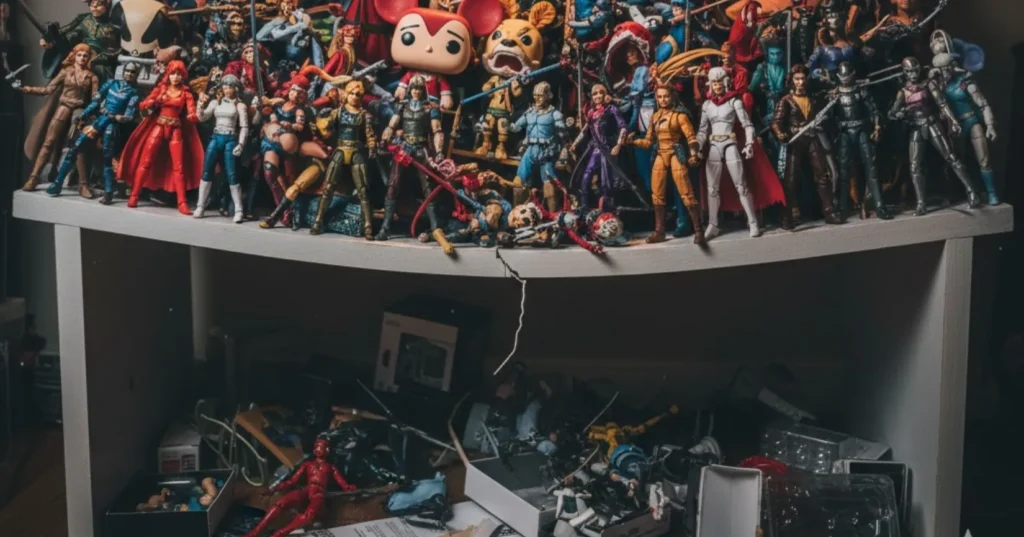
We all lie to ourselves when that pre-order button glows green. Here are the things we ignore that almost always lead to financial disaster when contemplating the benefits and risks of collecting limited edition models.
- The “Wait, I don’t collect this scale/line…” Flag: You normally collect 1/12 scale, but this limited edition model is a beautiful 1/6 scale. It won’t fit your display, it will look weird, and it will be a display orphan. It’s a purchase motivated by FOMO, not collection harmony.
- The “I’m Just Going to Flip It” Flag: You’ve convinced yourself you don’t want the item, you just want the profit. This mindset makes you vulnerable to overpaying for proxies, ignoring shipping risks, and holding the item too long. That quick flip turns into a long, stale listing. This is ignoring the downside of the benefits and risks of collecting limited edition models.
- The “Zero Community Buzz” Flag: If the model has been available for pre-order for three months and the community forums are silent, that is not a secret moonbag; that is a universally recognized brick. The market is smarter than you think.
- The “Unnecessary Repaint” Flag: If the repaint is based on a single 15-second shot in a movie (e.g., “Battle-Damaged Weathered Cape Version”), it’s not iconic. It’s filler to capitalize on the mold. Don’t fall for filler releases; they rarely hold value.
- The “Overhyped Convention” Flag: Remember when every convention exclusive was instantly gold? Not anymore. Too many companies have diluted the pool. Unless it’s a character variant, the current convention exclusives rarely justify the massive initial buy-in cost. A clear sign of ignoring the reality of the benefits and risks of collecting limited edition models.
6. Smarter (and Cheaper) Alternatives That Still Deliver Exclusivity
You want the feeling of exclusivity without the terrible financial benefits and risks of collecting limited edition models. Good news: you can scratch that itch for a fraction of the cost and zero percent of the anxiety.
Alternative 1: Premium Customizing (The True 1-of-1)

Instead of buying a limited edition model from a factory, buy a mass-produced figure and commission a professional painter to weather it, repaint it, or add custom diorama elements. You’ll spend roughly the same amount of money ($200-$400), but you will genuinely own a 1-of-1 model, which is far more exclusive than a 1-of-5,000 factory exclusive. This allows you control over quality and character, eliminating most of the risk associated with factory QC. You get all the display benefits without the financial benefits and risks of collecting limited edition models tied to factory hype.
Alternative 2: Factory Exclusives That Always Sell Out (But Have Limited Supply)
Focus on product lines that maintain a consistent supply of their most unique items but still offer quality products. Look into smaller Japanese toy makers or independent vinyl lines. They often produce items in small batches that sell out but don’t market themselves with the aggressive “Limited Edition” fear-mongering. They achieve scarcity naturally, leading to better long-term appreciation, without the immediate price gouging. This is a much healthier approach to realizing the true visual benefits and risks of collecting limited edition models without sacrificing your budget.
Alternative 3: Gunpla Master Grade and Aftermarket Kits
You want a complex, impressive build that feels exclusive? Buy a standard Bandai Master Grade or Perfect Grade kit and sink the money you saved on a “limited edition” pre-order into high-quality aftermarket resin kits, photo-etch detailing, and custom decals. The finished product is a unique display model that often surpasses the factory “limited” item, offering the visual benefits without the financial risks. You create your own exclusivity.
Alternative 4: Vintage Exclusives (Stable Market)

Instead of gambling on future value, buy models that have already appreciated. The price is higher, but the risk is lower because the market has stabilized. You are paying a premium for certainty. For example, buying a truly vintage Japanese exclusive from 2005 for $600 is often a safer bet than pre-ordering a 2026 exclusive for $400 that has a 50/50 chance of becoming worthless. The benefits and risks of collecting limited edition models are much easier to calculate when the model is 10 years old.
7. The Final Verdict + What I Personally Do Now

After 15 years, $7,000 down, and a chronic case of carpal tunnel syndrome from constantly hitting F5, I’ve finally figured out how to navigate the benefits and risks of collecting limited edition models.
The truth is, limited edition models are a lottery ticket. You are buying hype, and you are paying a premium for potential scarcity, not present scarcity. The entire market is designed to exploit the collector’s fear of missing out (FOMO). If you want an investment, buy an index fund. If you want a beautiful figure, be prepared for it to become a brick.
My 2026 Golden Rule: I only buy a limited edition model if I would be genuinely happy paying full price for it even if it immediately dropped to half its value.
If the figure is based on a character or design that means that much to me, the risk is irrelevant, and the model becomes a centerpiece—not an investment. If I’m buying it purely for the financial upside, I skip it. The headache of packaging, shipping, dealing with flaky buyers, and competing with the secondary market simply isn’t worth the slim profit margin anymore.
The benefits and risks of collecting limited edition models ultimately boil down to this: Buy what you love, not what you think will make you rich. You will keep your sanity, you will save money, and your collection will be a source of pride, not regret. Stop eating ramen for a figure that will be obsolete in three years. We’re better than that. Sort of.

- Best Detolf Alternatives 2026: 8 Cases That Elevate Your Jaegers - November 30, 2025
- Best Transformers Action Figures 2026: Only 7 Didn’t Make Me Want to Sell a Kidney - November 26, 2025
- The Benefits and Risks of Collecting Limited Edition Models in 2026 - November 23, 2025