
Let’s face it: being a collector is basically unpaid chemistry. You’re not just hoarding figures; you’re running a one-person lab filled with plastic experiments that melt, crack, or lean over time. We’ve poured our savings into these shiny idols and treat them better than our own health — because they deserve it.
I’ve seen things. PVC swords that drooped like overcooked noodles. ABS joints that snapped with the sound of betrayal at 2 a.m. Resin statues that aged faster than milk. This isn’t science — it’s trauma. And today, we’re fighting back in the only way we know how: by learning what each cursed material is really made of.
I. PVC: THE FLEXIBLE TRAITOR (THE PLASTICIZER PREDICAMENT)
PVC (Polyvinyl Chloride) is the undisputed king of Scale Figures. It makes our anime heroines look smooth, vibrant, and incredibly lifelike. It is the glamour, the allure, the primary reason our shelves are full. But PVC is a secretive betrayer we must constantly guard against.
1. The Plasticizer Crisis: Sweating Sickness and the Mechanism of Betrayal
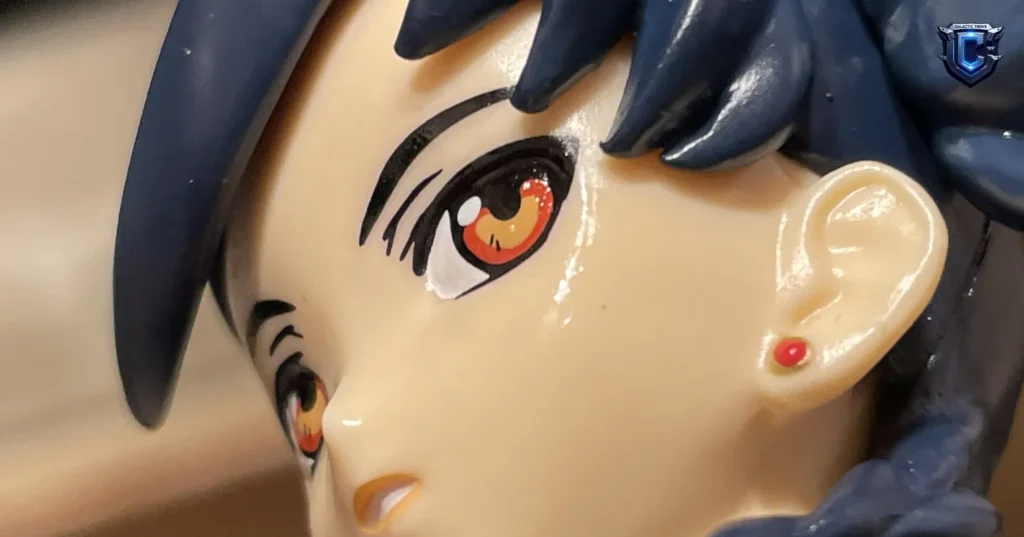
The inherent flexibility of PVC is a lie. It’s a structural cheat, achieved by stuffing the material with Plasticizers. Think of these as “fat molecules” nestled between the polymer chains, keeping the material soft and pliable. But just like fat, these molecules sometimes decide they’ve had enough and want out.
- The Stages of “Sweating Sickness” (Plasticizer Leaching – P-Leaking): This is the moment your beautiful figure decides to turn into a greased-up carnival prize.
- The “Pre-Discomfort” Stage: You begin to notice a slightly moist, unnatural sheen on the surface. The Plasticizers are getting restless.
- The “Sticky Crisis” Stage: The sheen turns into a genuinely sticky, grime-attracting film. This is where the figure is actively losing its pliable soul. It is shedding its chemical lubricant.
- The “Tragic Petrification” Stage: After the plasticizers have fully evaporated or been wiped away, the remaining PVC becomes shockingly brittle, rigid, and prone to breakage. Colors, particularly white, may yellow drastically.
- Extreme Personal Experience (The Emergency Cure): I once brought a figure back from a humid beach trip. After one night in a hot suitcase, it was P-Leaking across its entire body.
- The Fatal Mistake: I grabbed rubbing alcohol (Isopropyl Alcohol – IPA). THE RESULT: The delicate paint application on the hair and eyes started to bleed. Never, ever use high-concentration alcohol carelessly on painted PVC!
- The God-Tier Fix: Use Lukewarm water mixed with a small amount of mild dish soap (no harsh detergents) and a soft microfiber cloth. Wipe gently. For serious, sticky grime, I recommend non-gel, non-abrasive toothpaste. It has an extremely fine, mild abrasive quality that is much safer than alcohol and has saved more than one of my figures from permanent stickiness. Rinse thoroughly and dry completely.
2. The Temptation of Gravity: The Leaning Tower Syndrome
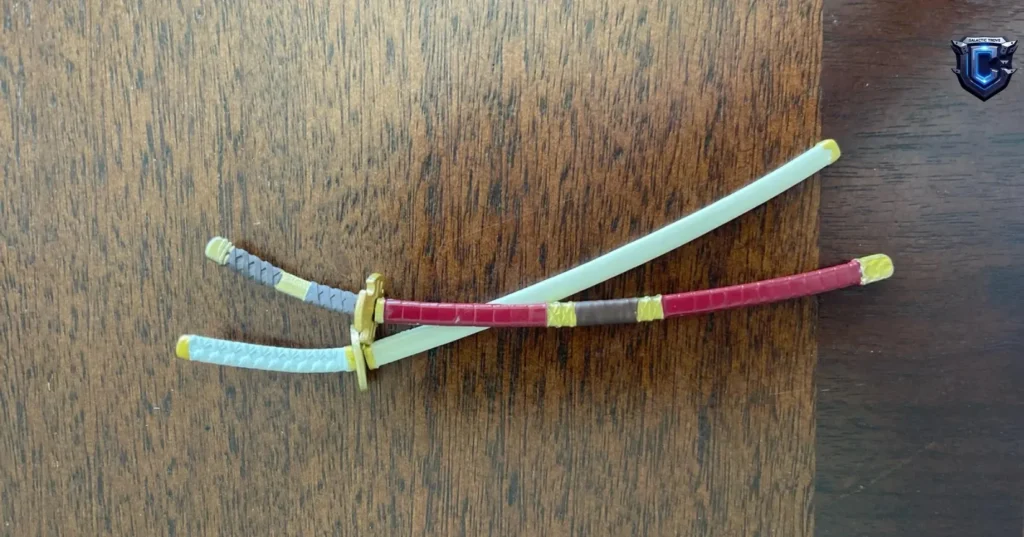
The Thermal Deformation or “Leaning Tower Syndrome” is the specific tragedy reserved for those who favor “dynamic” poses or oversized weaponry.
- The Culprits: Ambient temperature (even just slightly warm room air) and the relentless pull of gravity. Large swords, flowing spiral hair, or characters balancing on a single point are the prime targets.
- A Personal Nightmare: I owned a figure standing on one dainty foot. After two years on display, it started to show a pathetic knee bend—a slow, agonizing surrender to physics. I had to custom-fabricate a splint out of a popsicle stick and dental floss, strapping it to the figure’s leg for three days to “re-educate” the plastic. It looked like a failed orthopedic surgery, but it saved her stance!
- Root Prevention (Invisible Bracing and Stands):
- Bracing: Always inspect figures with thin or heavy parts. If possible, use clear acrylic rods or thin fishing line to create invisible secondary support points. Better a barely visible brace than a shattered limb.
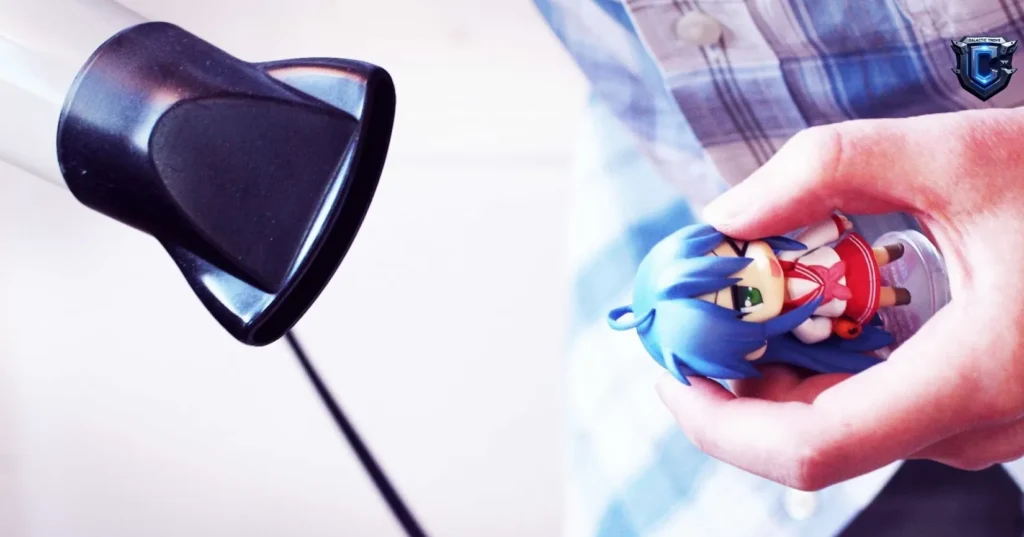
- Intensive Hot Water Therapy: I upgraded my straightening routine. Instead of just hot water, I now use a hair dryer (lowest heat setting) to slowly heat the bent area for about 30 seconds, maintaining better temperature control. Then, while holding the piece in the correct position, I immediately plunge it into ice-cold water to “lock” the new structure. This shock-cooling method is a life-saver for drooping swords.
II. ABS: THE OVERLY SENSITIVE ENGINEER (A PLASTIC OF UNYIELDING PRIDE)
ABS (Acrylonitrile Butadiene Styrene) is the backbone of transformation. It’s the core material in all Model Kits (Gunpla, Robot models) and Action Figures because it’s hard, impact-resistant, and provides that satisfying “click-click” feeling in a joint. But this rigidity is its downfall.
1. The Force Trap: The Silent Snap of Stress Cracking
ABS is an arrogant material. It is tough, but it is exceptionally sensitive to Internal Stress. It does not tolerate being forced.

- The Chain Reaction of Violence: When you attempt to force-fit a tight ABS joint, or over-tighten a screw into an ABS frame, you create Stress Risers (points of concentrated force).
- The Horror: It won’t break immediately. It will harbor that wound internally for months, sometimes years. Then, one quiet afternoon, as you casually adjust the pose, “SNAP!” The invisible structural hate is released. The break is usually clean and unforgiving.
- The Unforgettable Incident: I was assembling a complex Master Grade kit and neglected to clean off the layer of paint primer from inside a critical shoulder joint. A year later, trying to strike a dramatic pose, I applied slight force. The crucial hip joint disintegrated. I spent the next hour staring at my robot stuck in a miserable “crutch” pose. Lesson learned: If it’s tight, sand it down. Always, always sand it down.
2. ABS vs. PVC Repair: The Chemical Welding
- ABS Demands Chemical Welding: Super glue (Cyanoacrylate) is a temporary filler, creating a weak layer of dried adhesive. To truly repair ABS, you need ABS Cement (a solvent containing MEK or pure Acetone). This cement slightly melts the surface of the ABS. When it dries, the two broken pieces are chemically welded back into a single plastic block. This is the ultimate, but fast-moving, repair technology.

- Understanding Failure Modes:
- Tension Failure: Occurs when pulling apart parts that are friction-locked.
- Compression Failure: Occurs when overtightening screws.
- Shear Stress Failure: The most common—occurs when the joint is seized and you try to twist it.
III. RESIN: THE HIGH-END DIVA AND THE DREAD OF GRAVITY
Resin (Polyurethane Resin) is the material of prestige, defining Garage Kits and High-End Statues with its impeccable sharp details that PVC simply cannot match. But Resin is not plastic in the same way; it is a thermoset material.
1. The Harsh Truth: Heavy, Brittle, and Unexpected Disintegration

Resin is defined by two keywords: heavy and brittle.
- The Drop = Disaster Equation: If you drop a PVC figure, it might bounce. If you drop a Resin statue, it will SHATTER into dozens of razor-sharp pieces.
- The Shipping Sarcophagus: I once received a large Resin statue shipped from overseas. Despite meticulous packaging, a few fingers were broken. The culprit? Continuous vibration during transit created enough shear force against the brittle material that it self-destructed inside the box.
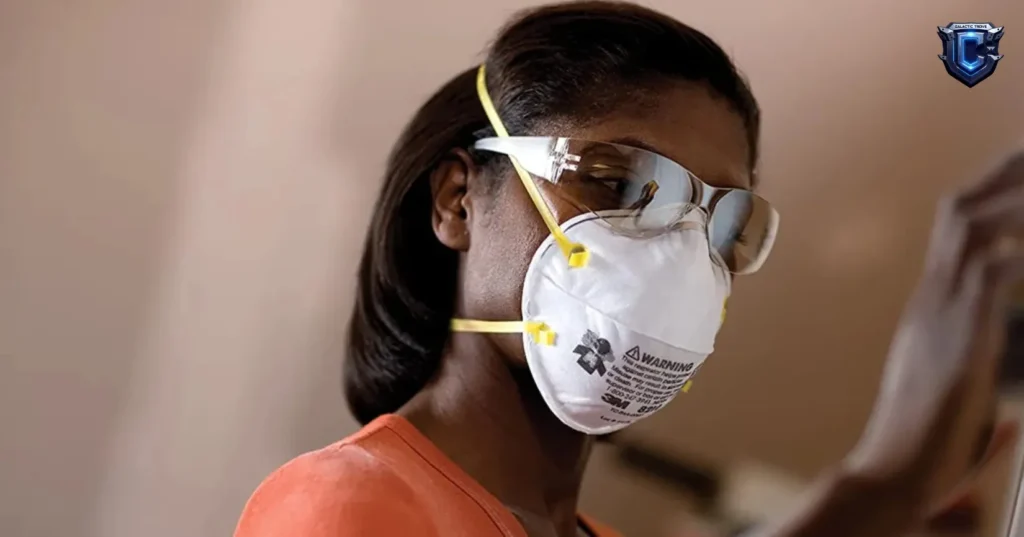
- The Silent Crime: Resin Dust. If you have to assemble and sand a Resin kit (Garage Kit), this is a serious health warning. You must wear an N95 respirator and work in a well-ventilated area. Resin dust is fine and TOXIC. Do not gamble with your pulmonary health; this is one of the most serious warnings I can give you.
2. The Pinning Ritual: Putting Your Faith in Metal
For large Resin statues, adhesive (usually two-part Epoxy) is the foundation, but Pinning (inserting metal rods) is the Life Support.
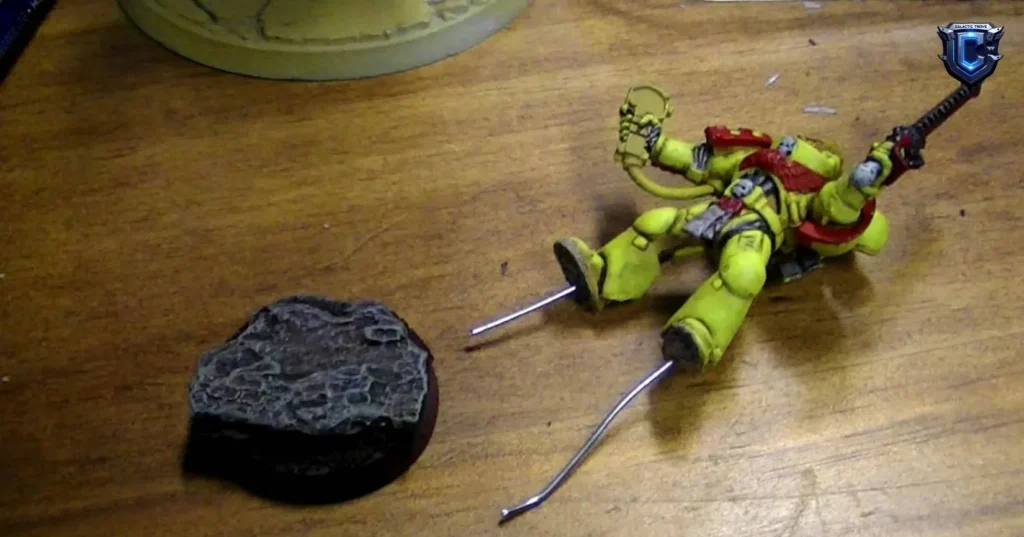
- Why Pinning is Essential: Glue only holds the surfaces together. The metal pin (usually brass or stainless steel rod) bears all the shear and tensile forces. It creates an internal skeleton, much like rebar in concrete.
- My Personal Surgery Procedure (The Painful Guide):
- Tools: You need a rotary tool (Dremel), small drill bits, and brass rod (typically 1mm to 3mm).
- Drill and Align: Drill a hole in both mating surfaces, ensuring perfect alignment. Cut the metal pin to be long enough to sink deep into both pieces.
- Epoxy Fusion: Apply two-part Epoxy (the slow-cure kind) into the holes and around the connection area, then insert the pin.
- Candid Advice: Do not skimp on the pin length or rush the alignment. A single pinning mistake can cause permanent aesthetic damage.
IV. THE SILENT HEROES AND AUXILIARY MATERIALS (THE SUPPORTING CAST)
The war is not just against the three main villains. A few smaller allies and foes also bring their own set of headaches.
1. POM: THE UN-GLUEABLE HERO (THE CHEMICALLY INERT)

POM (Polyoxymethylene), a highly engineered plastic, is often used for high-friction, load-bearing joints and hinges in high-end models. It is usually off-white and feels inherently slippery.
- Pro: Excellent wear resistance, low friction (making joints smooth).
- Personal Nightmare: When a POM joint becomes loose, you can’t glue it. POM is chemically inert; it rejects all common adhesives (including super glue and ABS Cement).
- The Secret Tightening Ritual:
- Clear Coat/Nail Polish: Apply an extremely thin layer of clear acrylic coat (or clear nail polish) onto the POM peg to slightly increase its diameter and friction. Let it dry completely before reassembly. This technique saved the wobbly knee joint of my heaviest robot.
- PTFE (Teflon) Tape: For severely loose joints, wrap a single, thin layer of plumber’s tape around the peg. It fills the gap and increases friction remarkably well without damaging the plastic.
2. DIE-CAST: THE WEIGHTY EGO AND THE FEAR OF ROT

Die-cast is a metal alloy (usually Zinc or Aluminum) used to add weight, stability, and that desired “premium feel” to a figure.
- The Stress of Scratches: While providing a sense of quality, the paint on metal scratches and chips easily on sharp edges. Every time I transform a Die-cast robot, I feel a physical twinge of anxiety, fearing the dreaded paint rub.
- The Ancient Horror (Zinc Rot): This is the fear of vintage collectors. Poorly formulated zinc alloy can suffer from intergranular corrosion, causing the metal to swell, crack, and crumble into dust. While modern alloys are much better, the mere memory of this phenomenon haunts me whenever I hold a heavy Die-cast piece.
3. ACRYLIC/CLEAR PARTS: THE SCRATCHED SOUL (THE FRAGILE GLASS)
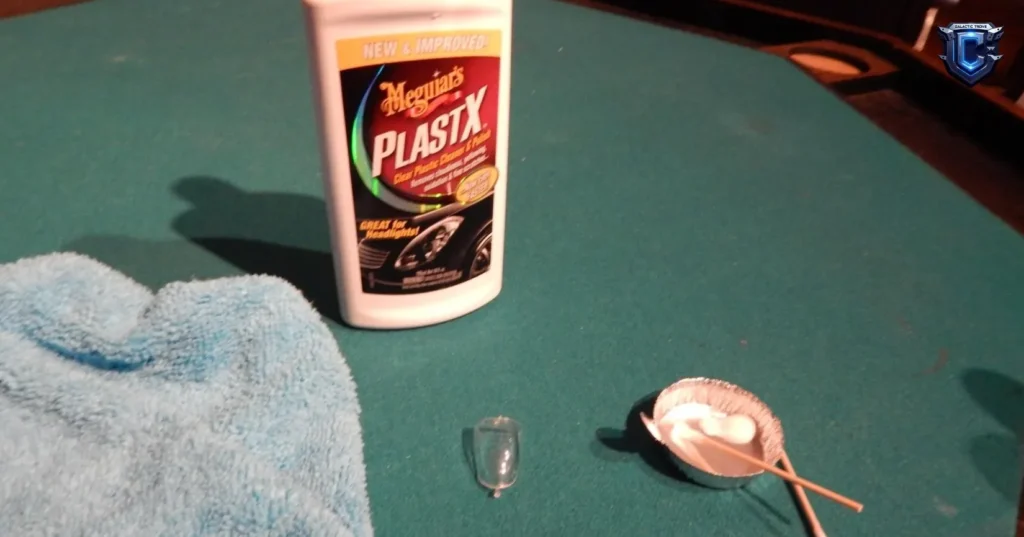
Transparent parts (cockpit windows, energy effects) are usually made from Polystyrene (PS) or Acrylic.
- The Fragile Nature: They are brittle and exceptionally prone to scratching. A coarse wiping cloth can leave permanent swirl marks on your model’s canopy.
- The Miracle Rescue (Surface Resurrection):
- Polishing Compound: I have learned to use automotive-grade plastic polishing compounds to buff out small scratches. The process requires extreme patience and a soft cotton pad, but the feeling of seeing a scratch disappear is a small, glorious victory!
V. PSYCHOLOGICAL THERAPY AND FINAL COMPLAINTS (COLLECTOR’S THERAPY)
After all this technical knowledge and personal drama, the most important thing I can share is this: Collecting figures is a constant trade-off between beauty and durability.
1. Analyzing Your Figure’s Personality Profile
You must know your enemy to defeat it.
| The Figure You Buy | Primary Material | Psychological Equipment Required |
|---|---|---|
| Scale Figure (Static Statue) | PVC | Patience (You will have to wipe its sweat) |
| Action Figure (Poseable) | ABS | Respect (It will break if you are rough) |
| Garage Kit/High-End Statue | Resin | Affluence (It’s expensive and needs more protection) |
2. Concluding the Epic: Advice to My Younger Self
If I could speak to myself ten years ago, I would scream these things:
- “Never, ever leave a PVC Figure in direct sunlight, even for five minutes!” That sunlight doesn’t just yellow the plastic; it triggers the dreaded P-Leaking cycle.
- “Buy a set of sanding sticks and a small drill IMMEDIATELY.” Assembling a Model Kit is not about brute strength; it’s about subtle engineering. The sensitive engineer ABS will not forgive clumsiness.
- “Accept that the figure is not perfect.” They are mass-produced plastics. Don’t let a tiny seam line, a fleck of excess glue, or a slightly bent foot destroy your joy. These are just the personal battle scars of the preservation war you have survived.
We are collectors. We don’t just buy toys; we buy challenges in physical and mental conservation. Keep fighting the good fight, keep your tools sharp, and most importantly: Don’t forget to run the dehumidifier for your PVCs! Good luck on your shelf!

- Best Detolf Alternatives 2026: 8 Cases That Elevate Your Jaegers - November 30, 2025
- Best Transformers Action Figures 2026: Only 7 Didn’t Make Me Want to Sell a Kidney - November 26, 2025
- The Benefits and Risks of Collecting Limited Edition Models in 2026 - November 23, 2025