
Welcome, fresh-faced space cadet!
You’ve finally docked at the Model Galaxy, and the light from countless plastic stars is dazzling. You see robots, anime heroes, speed machines, and mythical creatures—a glorious chaos of plastic and potential debt. It’s overwhelming, isn’t it? You’ve come seeking a prized artifact, but how do you know if you’re holding a legendary relic or just some cleverly molded space junk?
The biggest mistake rookies make is mistaking a Static Figure for an Action Figure and trying to force a pose—a tragedy we call “The Rookie Snap.” It’s an expensive lesson best learned from a guide, not a broken statue.
Here at GalacticTrove, we believe every collector deserves a smooth launch. This is not just a quick planetary map; it is your ultimate star chart. This comprehensive guide will classify the 4 major collectible “species,” analyze their subspecies, delve into the materials they’re made of, and explain why this knowledge is absolutely crucial for your survival (and your wallet’s sanity).
Consider this your first, lengthy, and most vital mission briefing! Let’s lock in and explore the stars.
I. The 4 Galactic Species of Collectibles
Every collectible you encounter falls into one of these four core categories. Understanding their differences is the first step toward becoming a seasoned space explorer.
1. Species Alpha: Static Figures / PVC Statues
The Vibe: The Supermodel of the collecting world. They look absolutely perfect, but they don’t move. Why? Because perfection shouldn’t be touched.
The Philosophy: Static Figures are about Artistic Fidelity. They are sculpted and posed by professionals, then frozen in time to capture a single, dramatic moment—a power stance, a gentle smile, or the height of an epic battle. They demand prime real estate in your display.
Subspecies Alpha 1: Scale Figures

- The Science: These are the most common and revered subspecies, named for their Scale relative to a human being (e.g., 1/8, 1/7, 1/4). A 1/7 figure means the statue is 1/7th the size of the actual character.
- The Reality Check: The smaller the denominator, the larger (and heavier) the model. A 1/4 Scale Figure often costs more than a used spaceship part, but the detail is breathtaking—it’s like having a miniature god on your shelf.
Subspecies Alpha 2: Prize Figures & Non-Scale

- The Science: These are your accessible entry points. They are often mass-produced figures designed to be won through Japanese crane games (UFO Catchers) or sold cheaply as collectibles. They are your gateway drug into the hobby.
- The Reality Check: Quality is decent for the price, but don’t expect the paintwork to survive a close inspection from the Galactic Council. They are perfect for filling those empty corners on your shelf without triggering a wallet intervention.
The Alpha Challenge: Threats to Perfection
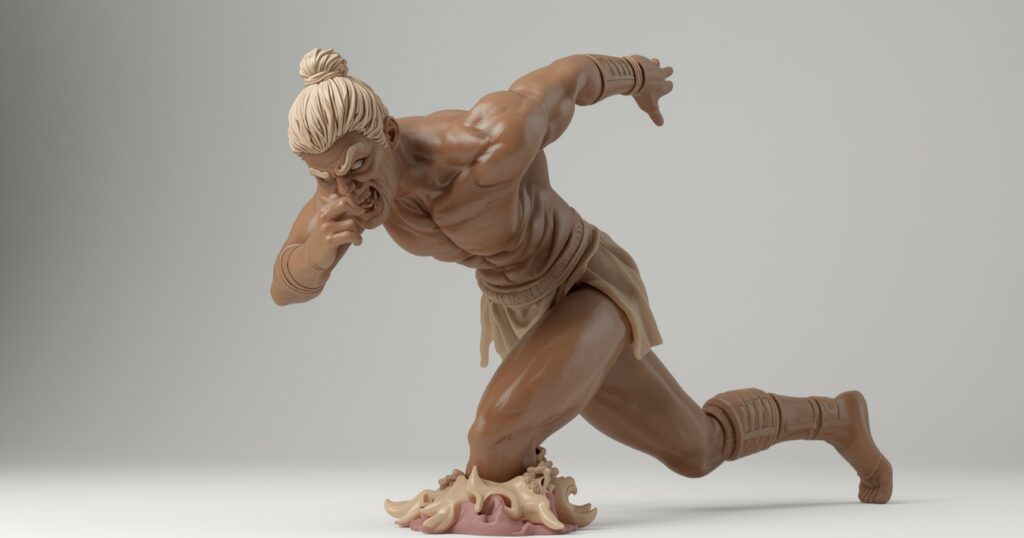
- The “Leaning Tower” Syndrome: If the figure is made from soft PVC and is posed dramatically, it might start to lean over time, especially in hot or humid climates. You must protect your statues from direct sunlight, or they will start doing the limbo dance. Need help saving your Figure from the heat? This happens when the plasticizers in the PVC begin to leach out, creating a sticky residue and softening the material.
- The Wallet Warning: Static Figures are an upfront investment. You pay for the finished art, sometimes waiting over a year between pre-order and delivery.
2. Species Beta: Action Figures
The Vibe: The flexible acrobats! These guys are loaded with joints, giving them the ability to strike over 9000 poses. They exist to be played with—or meticulously posed for your Instagram feed.
The Philosophy: Action Figures are about Playability and Expression. If you have unresolved childhood trauma about old, stiff figures that couldn’t bend, this species is your therapy.
Subspecies Beta 1: Highly Articulated

- The Science: These models prioritize range of motion (articulation). They are the standard for serious pose-work and photography. Expect ball joints, double-hinges, and complex engineering hidden beneath the armor.
- The Reality Check: The joints are sometimes visible, breaking the illusion of perfection. But who cares? That hero is striking a perfect high kick! They require careful handling; forcing a joint that isn’t supposed to move is a guaranteed way to initiate “The Rookie Snap.”
Subspecies Beta 2: Chibi/Stylized

- The Science: These figures deliberately sacrifice realistic proportions for cuteness and expressive design. They are often smaller, with large heads and simplified bodies.
- The Reality Check: They may look simple, but their interchangeable faces and hilarious accessories make them highly collectible and perfect for light-hearted displays.
The Beta Challenge: Joint and Accessory Management
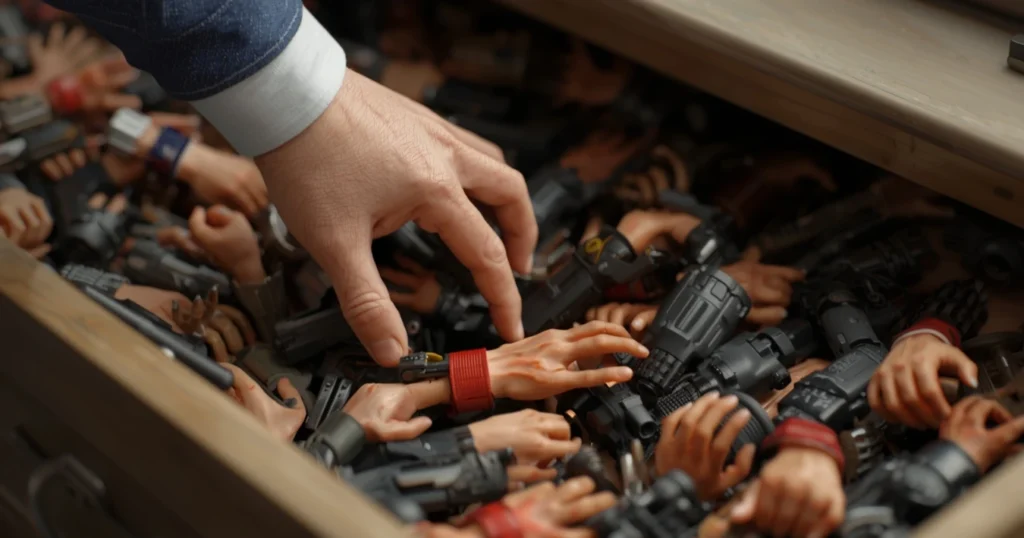
- The “Accessory Abyss”: The tiny hands, effect parts, and spare heads are notoriously easy to lose. We recommend a dedicated “Accessory Command Center” (i.e., a small plastic box with compartments).
- The Loose Joint Crisis: Over time, or with too much posing, the joints can become loose, meaning your figure suffers from “limp noodle” syndrome and refuses to hold that epic pose you spent 30 minutes perfecting. Is your figure suffering from loose joints and refuses to hold a pose? This skill is vital for long-term enjoyment.
Why This Matters to Your Wallet: Your initial purchase is just the beginning. The “accessory tax” is real—those tiny, interchangeable hands and effect parts get expensive. Plus, you will inevitably need a display stand (often sold separately).
3. Species Gamma: Model Kits
The Vibe: The IKEA of collectibles, but way cooler (and slightly more complex). They arrive as a galaxy of plastic pieces attached to runners (plastic frames), challenging you to become the master architect. If you hate instructions, this is your personal boss fight.
The Philosophy: Model Kits are about The Process and Customization. The real fun is in the building, the sanding, and the painting. You are the artist, the engineer, and the quality control supervisor.
Subspecies Gamma 1: Gunpla (Gundam Model Kits)
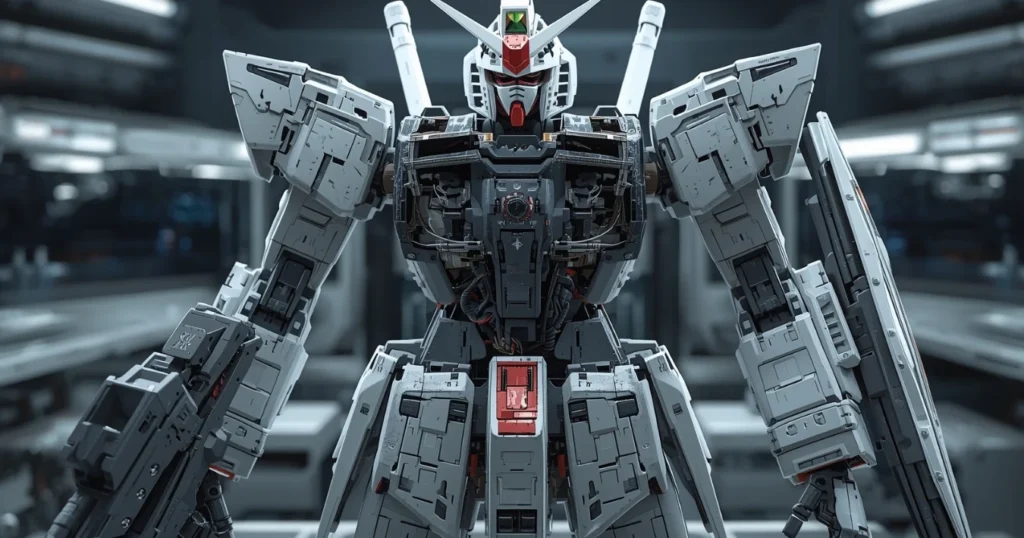
- The Science: The most famous Model Kit species. They are categorized by complexity: HG (High Grade) for quick builds, MG (Master Grade) for detailed inner frames, and PG (Perfect Grade) which often requires a second mortgage and a dedicated workbench.
- The Reality Check: Starting with a Perfect Grade is like asking a newborn to pilot a spaceship. Start with an Entry Grade (EG) or High Grade (HG). The key distinction here is Snap-fit: most modern kits require no glue!
Subspecies Gamma 2: Scale Models
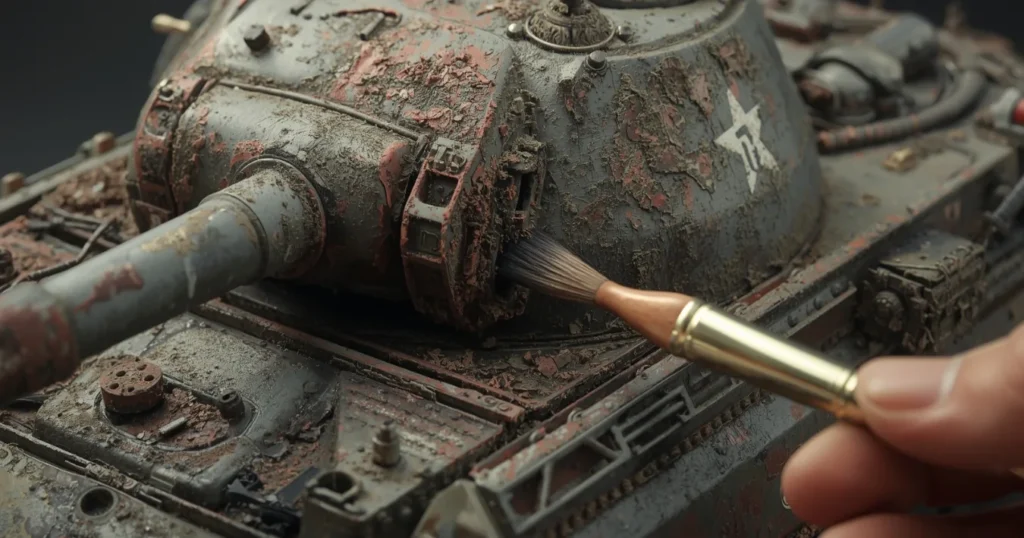
- The Science: These models replicate real-world objects—tanks, planes, cars, ships—with intense historical accuracy. They are favored by collectors who appreciate realism and history.
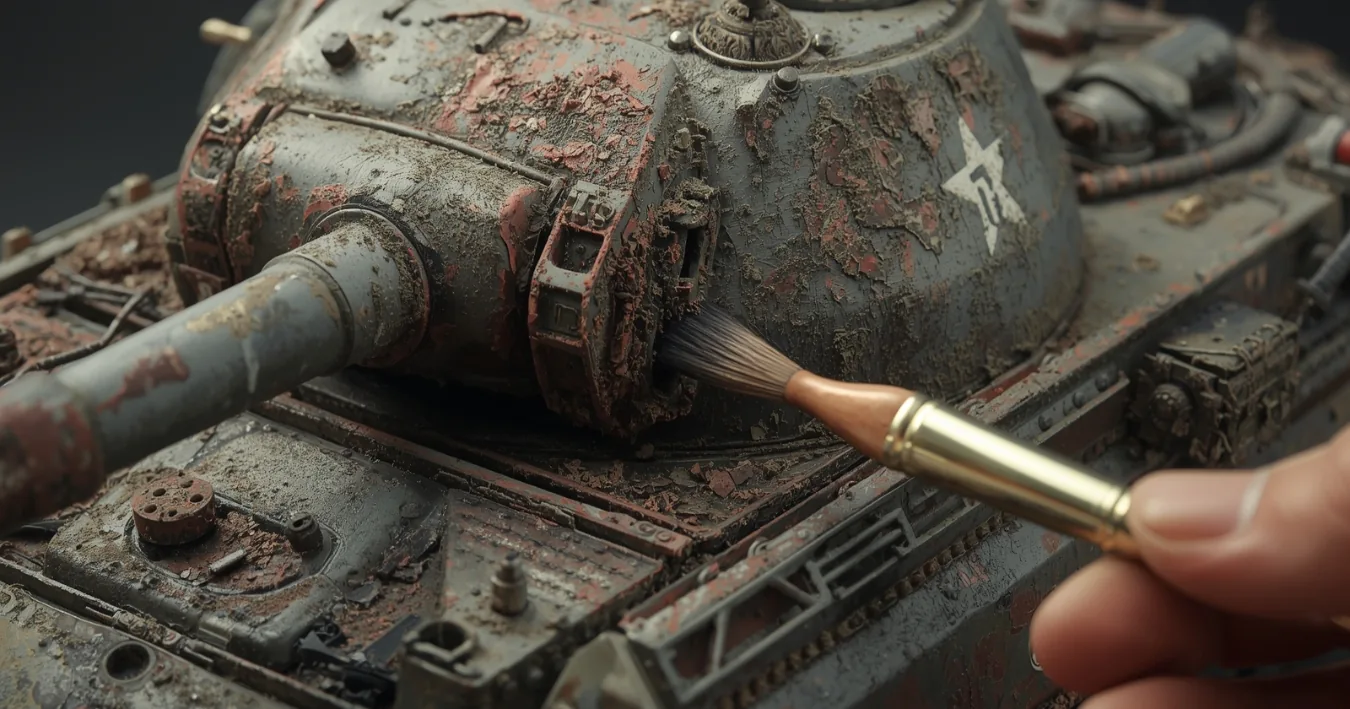
- The Reality Check: These often require glue, paint, and advanced techniques (like Weathering) to look good. This is where you graduate from basic tools to an Airbrush system.
The Gamma Challenge: The Tool and Time Investment
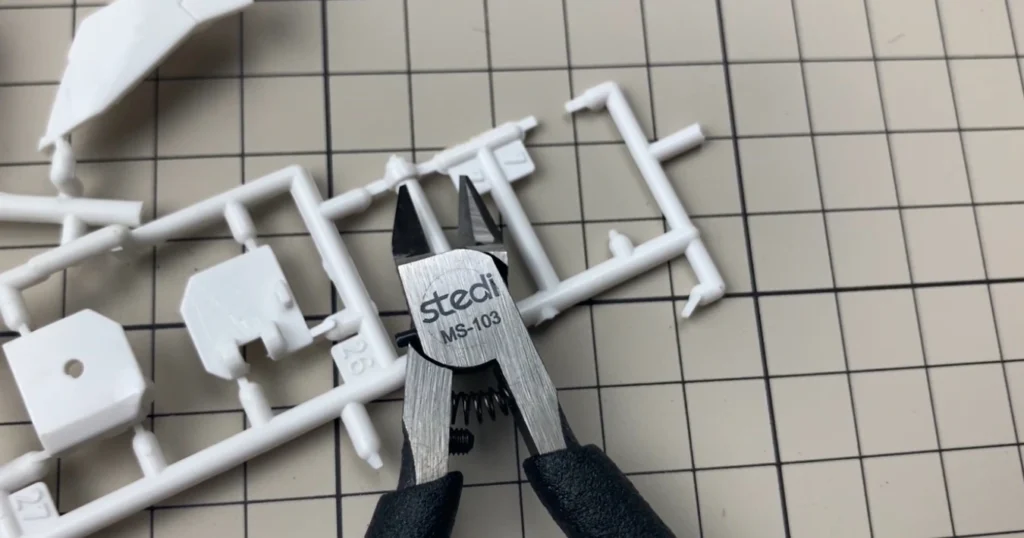
- The Tool Tax: The model kit itself might be cheap, which is deceptive. The real investment is the Tool Tax. You will buy nippers, files, sanding sponges, cement, specialized markers (Panel Lining is crucial!), and eventually, a full airbrush system. Feeling overwhelmed by the sheer number of tools?
- The “Nubs” Menace: These are the tiny stress marks left when you cut the plastic part from the runner. Learning to remove these nubs cleanly is the first trial by fire for any Model Kit cadet. A poorly removed nub can ruin the look of an otherwise perfect model.
Why This Matters to Your Wallet: This species is the most time-consuming. You are trading money for time, and patience is your most valuable asset. The low cost of entry leads many to addiction, quickly filling their closets with unbuilt kits, a tragedy known as the “Pile of Shame.”
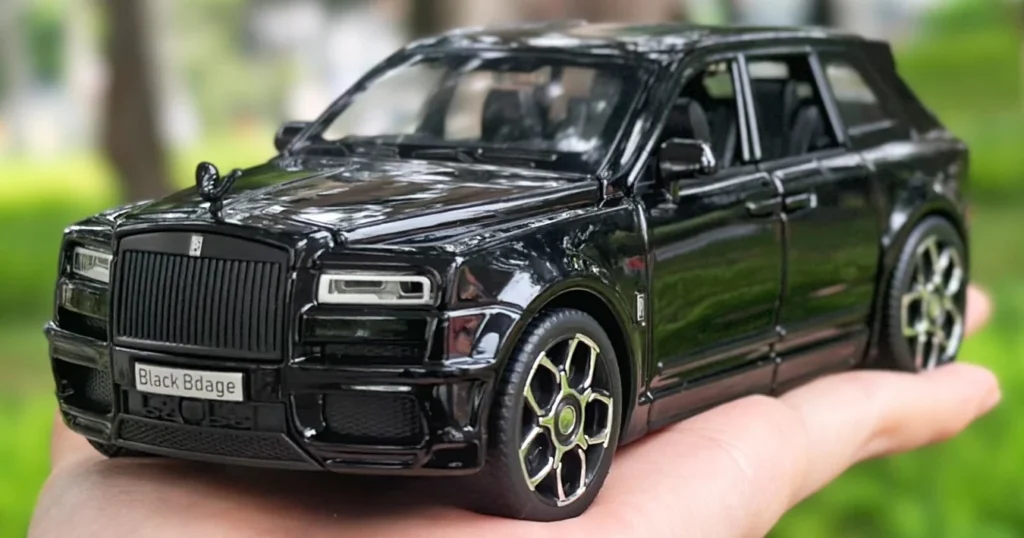
4. Species Delta: Die-cast Models
The Vibe: The heavy metal artifacts. They have weight, they have heft, and they make a satisfying ‘thunk’ when you tap them.
The Philosophy: Die-cast is about Weight, Premium Quality, and Durability. They offer an impressive level of realism and robustness that plastic simply can’t match.
Subspecies Delta 1: Vehicles & Real World
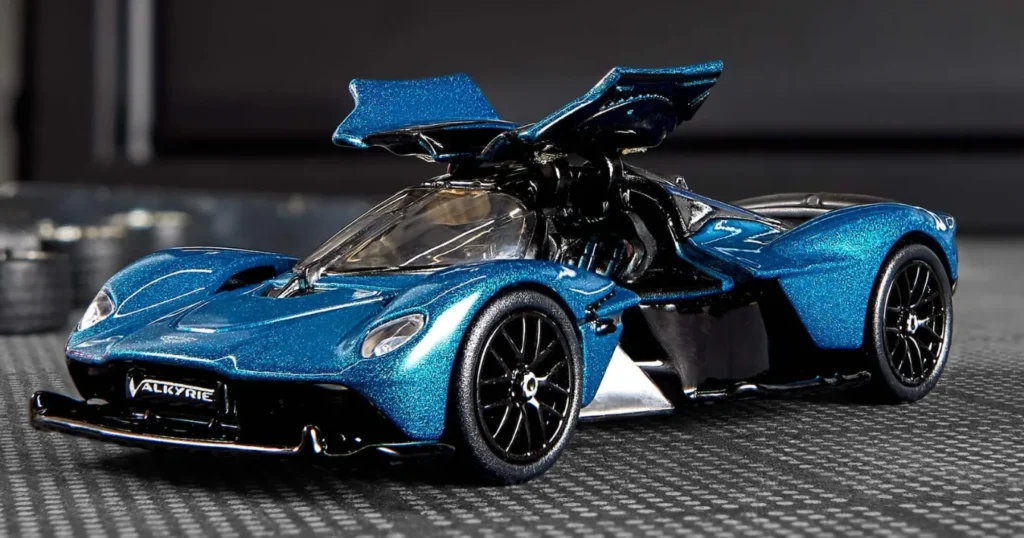
- The Science: Exact replicas of cars, aircraft, and construction vehicles. Quality is judged by the accuracy of the paint, realistic functioning parts (opening doors, rotating wheels), and overall realism.
- The Reality Check: These are often sealed artifacts, not meant for play. Look for models with an accurate Scale (like 1/18 or 1/64) for consistency.
Subspecies Delta 2: Chogokin Robots
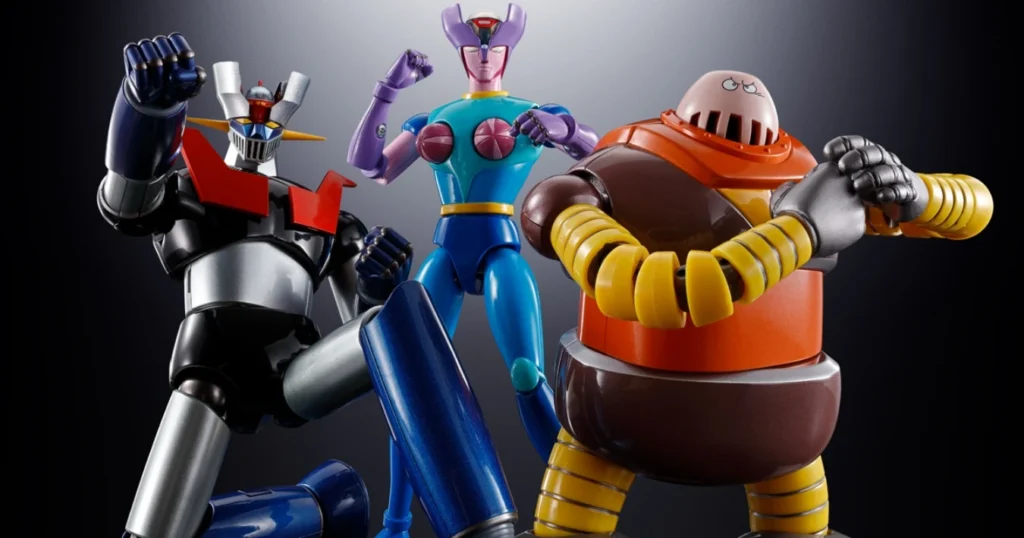
- The Science: Rooted in Japanese culture, Chogokin (Super Alloy) figures feature significant metal content for weight and shine, often including complex transformation gimmicks. They are the pinnacle of robot collectible engineering.
- The Reality Check: These figures are extremely robust and expensive. You pay a premium for the satisfying feel of cold metal in your hand.
The Delta Challenge: Weight and Vulnerability
- The “Zamac Rot”: Very rarely, poorly formulated die-cast zinc alloy (Zamac) can crumble over time. While rare with reputable brands, it’s a veteran collector’s fear. Always buy from verified sources!
- The Scratched Armor: Although durable, the metal is heavy and often features high-gloss paint. A fall or even careless handling can result in a deep scratch that is expensive to fix. Want to protect your high-value metal treasures from dust and damage?
Why This Matters to Your Wallet: This species is for veteran collectors. Don’t touch unless your credit score is prepared. They are high-cost, high-value, and hold their market value well, provided they remain pristine.
II. Planetary Geology: Understanding Your Materials
Before you embark, you must understand the “planetary geology” of your collectible world. The materials dictate the quality, durability, and cost.
| Material | Description | The Collector’s Rant |
| PVC (Polyvinyl Chloride) | The Figure King. Soft, flexible plastic used for most Static and Action Figures. Great for smooth sculpting and durability. | “Why is my statue getting sticky? It’s PVC plasticizer leeching out! I need to clean it with gentle soap!” |
| ABS (Acrylonitrile Butadiene Styrene) | The Building Block. Harder, impact-resistant plastic used for Model Kit frames and Action Figure joints. Excellent for snap-fitting and tight tolerances. | “My ABS joints are too tight! I need to apply some lubricant or they’ll snap!” |
| Resin / Polystone | The Luxury Material. Heavy, brittle, premium material used for high-end Static Statues. Allows for incredible detail and weight. | “It’s so heavy! And so fragile! If I drop this, my mission is over. Permanently.” |
| Die-cast (Zinc Alloy) | The Metal Core. Heavy metal used for vehicle bodies and robot frames. Great for a premium feel and structural integrity. | “It’s fantastic, but if this thing falls off the shelf, I’m repairing my floor, not the model.” |
5.1. The Paint Adhesion Factor
Why does this matter? If you ever decide to customize or repair your model, the material dictates the type of primer and paint you must use. ABS and PS (Polystyrene) in Model Kits are great for accepting paint. PVC, however, can be tricky and requires specific primers—otherwise, the paint will flake off like old spaceship plating.
Thinking about giving your Model Kit a custom paint job? Knowing your materials saves you hours of frustrating stripping and repainting.
5.2. Safety and Environmental Concerns
This is where we get serious. Always buy from verified, authentic sources (like GalacticTrove!). Bootlegs, often made with low-grade, unregulated plastics and paints, can sometimes contain toxic chemicals that are hazardous, especially if they are handled often by children. We champion authenticity not just for quality, but for safety.
Are you concerned about accidental purchases? Never compromise safety for a suspiciously low price.
III. Mission Debrief: Why This Knowledge Saves Your Space Credits
Understanding these four species is your anti-rookie shield, providing a clear path forward:
- Saves Money (and Sanity): You won’t accidentally buy a $20 Model Kit, realize you need $100 worth of tools, and then rage-quit the hobby.
- Prevents “The Snap”: You won’t try to pose your $500 Static Figure and accidentally break a hand, leading to a breakdown and potential divorce.
- Sets Expectations: You won’t be disappointed when your favorite Action Figure has visible joints (articulation), because you know its job is to pose, not just look pretty.
- Boosts Resale Value: Knowing the correct type, material, and scale allows you to accurately price your collection when you inevitably need to make room for new treasures.
- Focuses Your Collection: Most importantly, knowing your preferred species allows you to focus your collecting efforts, avoiding scattered purchases and maximizing the aesthetic impact of your display.
Your Final Order: Your choice determines your journey. Are you a Builder (Model Kit), a Dynamic Poser (Action Figure), an Art Collector (Static Figure), or a High-Roller (Die-cast)?The voyage awaits! Find your first collectible treasure right now at Galactictrove.com, where all artifacts are 100% genuine and fake-alien-free!

- Best Detolf Alternatives 2026: 8 Cases That Elevate Your Jaegers - November 30, 2025
- Best Transformers Action Figures 2026: Only 7 Didn’t Make Me Want to Sell a Kidney - November 26, 2025
- The Benefits and Risks of Collecting Limited Edition Models in 2026 - November 23, 2025